Key Points:
- Holiday events in assisted living support senior happiness by restoring familiar traditions, reducing isolation, and creating meaningful social connections.
- Thoughtful seasonal programming gives residents anticipation, hands-on participation, and memory-triggering experiences that lift mood and strengthen family bonds.
- Year-round celebrations help protect mental health by keeping social engagement consistent across all seasons.
Many older adults feel the holidays shrinking instead of growing warmer. Traditions move to someone else’s home, travel feels harder, and long afternoons can stretch into quiet, lonely days. Research links social isolation in older adults with about a 50% higher risk of dementia, so those quiet days are more than a mood issue.
Holiday events in assisted living communities can turn those days into something residents anticipate, share, and remember. Thoughtful programming directly addresses senior isolation and loneliness while supporting emotional health, social ties, and a more hopeful daily rhythm.
 Why Do Holidays Feel Different for Seniors in Assisted Living?
Holiday seasons often highlight everything that has changed. Older adults may no longer host the big meal, drive to evening services, or manage a full house of guests. A move into assisted living can add unfamiliar surroundings and new routines right when comfort from old traditions feels most needed.
For many residents, seasonal activities that seniors once led are now simply things they attend. That shift can bring pride in past roles but also grief over what has been lost. Empty chairs at the table, health changes, and distance from adult children all add emotional weight.
The Reasons for Seniors’ Holiday Loneliness
Studies suggest loneliness is especially common in group settings. One analysis estimated that about 61% of older people living in care homes may feel moderately lonely, and about 35% may feel severely lonely.
Holiday programming has to speak directly to those experiences. Strong assisted living teams design celebrations that honor old traditions, make space for new ones, and acknowledge the emotional side of senior mental health and the holidays, rather than glossing over it.
Common reasons holidays feel harder for many residents include:
- Changed Roles: No longer hosting, cooking, or leading traditions.
- Physical Limits: Fatigue, pain, or mobility changes that make outings and long events tough.
- Loss and Separation: Missing spouses, friends, or family who have passed away or live far away.
Programs that recognize these realities can build celebrations that feel supportive instead of performative.
How Holiday Events in Assisted Living Support Happiness
Holiday events in assisted living work best when they create small, repeated moments of joy. The goal is not a single “big day” but a rhythm of experiences that lifts mood and gives residents something meaningful to look forward to.
Three elements make the biggest difference:
- Anticipation: Seeing events on the assisted living activity calendar gives residents concrete plans to look forward to, which can ease anxiety and low mood between holidays.
- Participation: Hands-on roles such as decorating shared spaces, choosing music, or helping set tables let residents contribute, not just observe. That sense of usefulness is deeply tied to happiness.
- Memory: Seasonal scents, favorite songs, and familiar recipes can trigger positive autobiographical memories, including for residents with mild cognitive changes, and those memories often spark smiles and conversation.
Festive senior programs do not have to be elaborate. Simple, well-run events such as cookie decorating, small-group gift exchanges, or holiday story circles can feel deeply joyful when staff pay attention to accessibility, pacing, and resident preferences.
Gratitude activities fit especially well into this season. Research shows that gratitude practices can reduce symptoms of depression and help people feel more optimistic about their lives and future.
Holiday cards, “three good things” reflections, or sharing favorite memories at a meal turn that research into gentle, everyday experiences that support happiness.
How Holiday Events Build Connection for Residents and Families
Connection is often the deepest concern behind holiday planning. Loved ones want to know that residents will have people around them, not just decorations on the wall.
Social contact is more than pleasant; it is protective. Holiday programming supports that kind of senior social engagement in two directions:
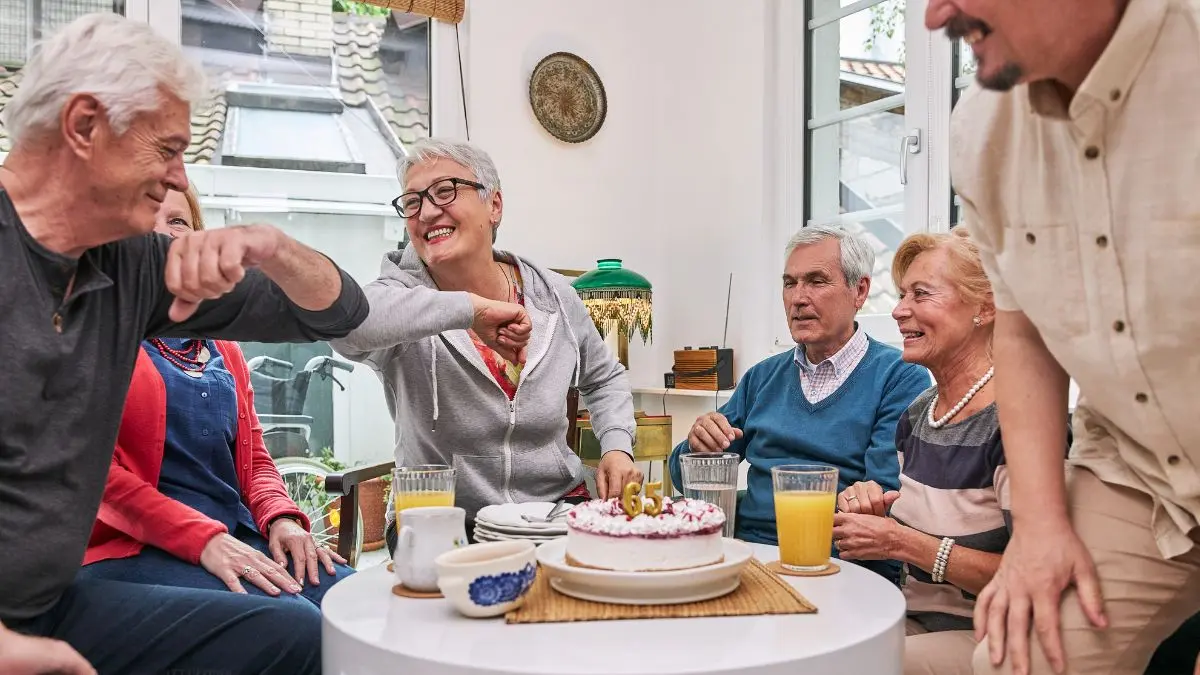
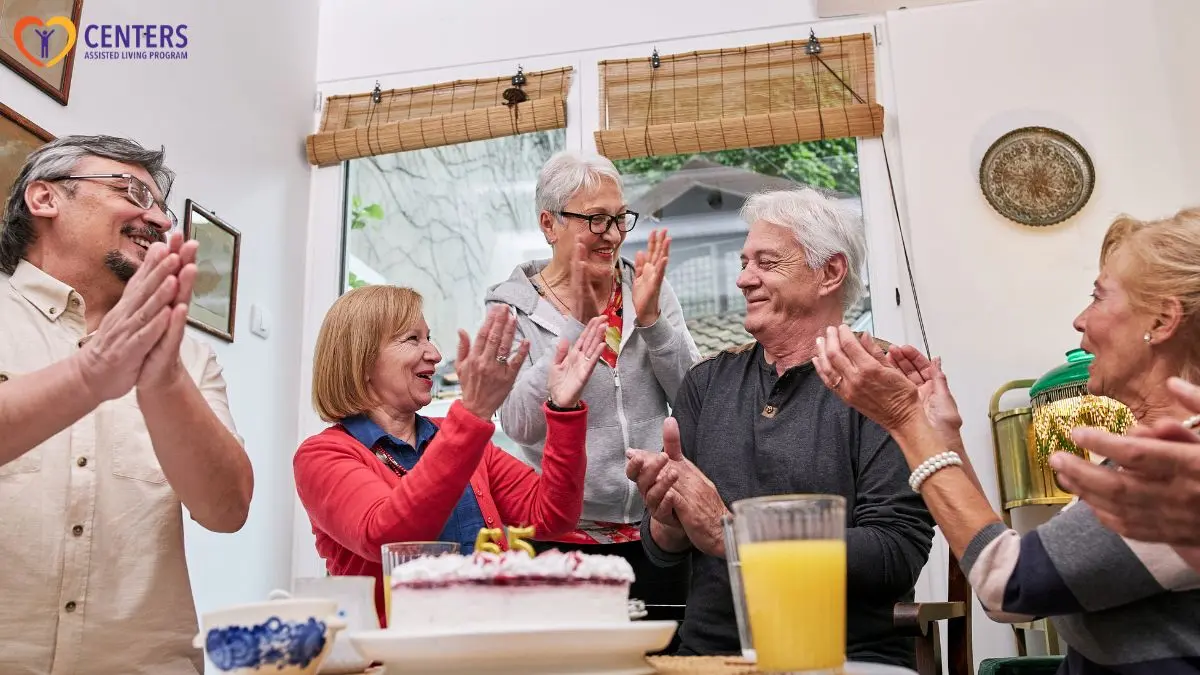
- Resident-to-Resident Connection: Group decorating, sing-alongs, shared meals, and small craft groups provide natural opportunities for residents to talk. Community celebrations that elderly residents attend together often lead to new friendships and stronger bonds.
- Resident-to-Family Connection: Events built to include visitors reduce the stress of hosting for older adults. Families can show up, share a meal or activity, and focus on conversation, while staff handles logistics and support.
- Intergenerational Contact: When grandchildren or younger relatives join intergenerational holiday activities, their energy and curiosity brighten the atmosphere for everyone, including residents whose own families live far away.
Holiday offerings also give relatives concrete prompts for visits. Instead of wondering what to do, they can plan around a tree-lighting, holiday concert, or seasonal baking afternoon.
Transportation support, flexible visiting hours, and clear communication from staff help families use these events as regular touchpoints rather than one-time appearances.
 How Seasonal Activities Support Senior Mental Health All Year
Holiday-focused posts often center on December alone, but emotional health benefits grow when the seasonal activities seniors enjoy extend throughout the year. Loneliness among older adults is a global concern, and institutionalized older adults may be among the most affected.
Consistent programming across seasons helps prevent long, quiet gaps between major holidays. A year-round approach might look like:
- Spring: Gardening clubs, flower-planting days, and small outdoor celebrations support movement, sunlight exposure, and reconnection with nature after winter.
- Summer: Barbecues, ice cream socials, and local outings for concerts or festivals bring fresh air and light physical activity in manageable doses.
- Fall: Harvest-themed crafts, gratitude circles, and Thanksgiving meals encourage reflection and thankfulness.
- Winter: Inclusive celebrations of Christmas, Hanukkah, Kwanzaa, and New Year’s, along with comfort-food dinners and cozy music events, help residents feel seen across cultures and backgrounds.
When communities treat holiday events in assisted living as part of a steady, thoughtful calendar rather than one-off spectacles, they build emotionally meaningful celebrations seniors can rely on. Regular contact, shared rituals, and predictable joys support mood, sleep, and overall mental health.
Staff play a key role by encouraging participation, adjusting activities for mobility or sensory needs, and checking in with residents who may quietly withdraw during emotionally loaded dates such as anniversaries or the birthday of a deceased spouse.
What Should Families Look For in an Assisted Living Holiday Program?
Families choosing a community often prioritize safety, medical support, and daily care. Holiday and seasonal programming can reveal just as much about how life will feel day to day.
When you tour or ask questions, look for signs that festive senior programs are thoughtful and inclusive, not afterthoughts. Helpful indicators include:
- Resident Input: Residents help choose themes, music, menus, or activities, and staff can share recent examples.
- Cultural and Spiritual Inclusion: Events reflect more than one tradition, and staff encourage residents to share their own customs.
- Family Invitations: The community actively invites loved ones to attend, with clear communication about dates, times, and what to expect.
- Year-Round Planning: Calendars show celebrations and seasonal events in many months, not just November and December.
- Accessibility: Staff describe how they support residents with mobility, vision, hearing, or memory changes so everyone can participate in some way.
A strong program usually ties directly into the broader assisted living activity calendar, rather than sitting on the side as “extra.” Questions like “How do you support someone who feels sad after a holiday?” or “How do you include residents whose families live far away?” can reveal how seriously the community takes emotional well-being.
 FAQs About Holiday Activities and Visits in Assisted Living
What are easy Christmas activities for seniors?
Easy Christmas activities for seniors include card-making, group caroling, simple decorating, and holiday-tasting events. Christmas activities for seniors work best when they use gentle movement, familiar holiday sights and sounds, and low-pressure social time. Card-making supports fine motor skills, carols tap long-term memory, and decorating builds a sense of ownership.
Where do older people go on holiday in assisted living?
Older people in assisted living go on holiday through short, supported outings and on-site celebrations. Assisted living holiday trips often include neighborhood light displays, seasonal performances, and holiday markets with community transportation and staff support. Assisted living residents also visit family homes, while many choose predictable community events that feel inclusive and relaxed.
What to do with elderly parents at Christmas in assisted living?
Christmas with elderly parents in assisted living works best with a low-pressure visit that matches their energy and comfort. Assisted living during Christmas time can include a community holiday lunch or music program with staff support. A small personal item, such as a photo, ornament, or favorite snack, adds a sense of home comfort and connection.
Celebrate Brighter Holidays With Meaningful Support
Holiday seasons in assisted living can feel heavy or hopeful, depending on how communities design their calendars. Well-planned celebrations support happiness through anticipation and participation, strengthen relationships between residents and loved ones, and protect mental health by reducing loneliness and keeping social life active all year.
Centers Assisted Living builds on that approach by offering engaging daily events, seasonal celebrations, and social and recreational programs across our New York assisted living communities. Residents enjoy communal dining, creative activities, music, and outdoor spaces that all adapt to changing health needs.
Contact us now. Learn more about holiday programming, review upcoming events, and schedule a visit. Our team can listen to what your loved one enjoys, walk you through current options, and help you decide whether our community rhythm feels right for your family’s next chapter.