
Key Points:
- Assisted living helps seniors stay socially active by providing daily opportunities for connection.
- This is achieved through shared meals, scheduled activities, and communal spaces, designed to reduce loneliness and support emotional well-being.
- This built-in social structure offers consistent interaction that’s often missing for older adults living alone.
Loneliness in later life is common, especially for older adults living alone at home. An extensive national analysis estimates that about 24% of U.S. adults aged 65 and older are socially isolated, and around 43% of adults 60 and over report feeling lonely. That isolation can build slowly as friends move away, driving becomes harder, or health problems limit outings.
For families seeking senior social engagement and tools to prevent loneliness among the elderly, assisted living offers something home often cannot: reliable, built-in opportunities to talk, laugh, and feel seen every day.
 Why Senior Social Engagement Slows Loneliness in Later Life
Health risks rise when older adults spend long stretches without meaningful social contact. According to the CDC, loneliness and social isolation increase the risk of heart disease, depression, stroke, anxiety, dementia, and early death. These are not minor effects; they sit alongside smoking, inactivity, and obesity as significant risk factors.
At home, loneliness often grows because:
- Transportation shrinks. Driving feels less safe, and arranging public transit or ride apps feels tiring.
- Social circles are thin. Friends and neighbors move, become ill, or pass away.
- Family caregivers burn out. Adult children may juggle work and caregiving, leaving less time for relaxed visits.
Senior social engagement and community events for seniors change that pattern by making social contact part of the daily rhythm rather than an occasional outing. Instead of waiting for a visitor or a rare trip to church or the senior center, residents see familiar faces at breakfast, in the hallway, and during short, approachable activities.
How Does Assisted Living Design Support Everyday Connection?
Assisted living communities are built so that older adults cross paths many times a day. Corridors lead toward shared lounges. Dining rooms seat residents together. Activity spaces are located near common routes, so people can easily join a group rather than staying in a private room.
Physical design choices often support social activities in assisted living:
- Central dining rooms. Shared meals place residents at tables with peers, encouraging conversation and familiar routines.
- Comfortable lounges. Sofas, card tables, and quiet nooks invite small groups to gather between scheduled programs.
- Accessible outdoor spaces. Courtyards, patios, or walking paths allow safe, short walks and chance encounters.
Schedules reinforce what the building makes possible. Morning coffee groups, afternoon games, and evening music provide residents with predictable chances to see others. Staff can seat newcomers with welcoming tablemates, introduce neighbors, and gently invite residents into a low-pressure activity across the hall.
Layer Senior Social Engagement Into Everyday Moments
Senior social engagement in assisted living is not only about big events; it grows from many small touchpoints:
- Brief check-ins. Staff stop by to escort someone to lunch or remind them of their knitting circle, offering a few minutes of genuine conversation.
- Micro-rituals. The same residents sit together for breakfast or always meet for trivia, building easy routines and in-jokes.
- Shared chores or roles. Passing out newsletters, watering plants, or helping set up a bingo board turns daily life into connection time.
When layout, routines, and staff habits all encourage connection, residents do not have to plan social contact from scratch. Social life becomes the default, and assisted living and independence stay aligned, while alone time becomes a choice rather than a constant.
What Social Activities in Assisted Living Actually Look Like
Daily calendars in assisted living often layer different types of programs so every resident can find a comfortable way to join in. Research on older adults shows that social participation has an apparent positive effect on mental health, especially when people join cultural, sports, or educational activities rather than sit alone.
Variety is crucial; an extensive study revealed a link between fewer depressive symptoms and participation in a broader range of social activities. Inside that calendar, residents may find:
- Small discussion groups. Short groups on current events, book snippets, or “remember when” themes that invite storytelling.
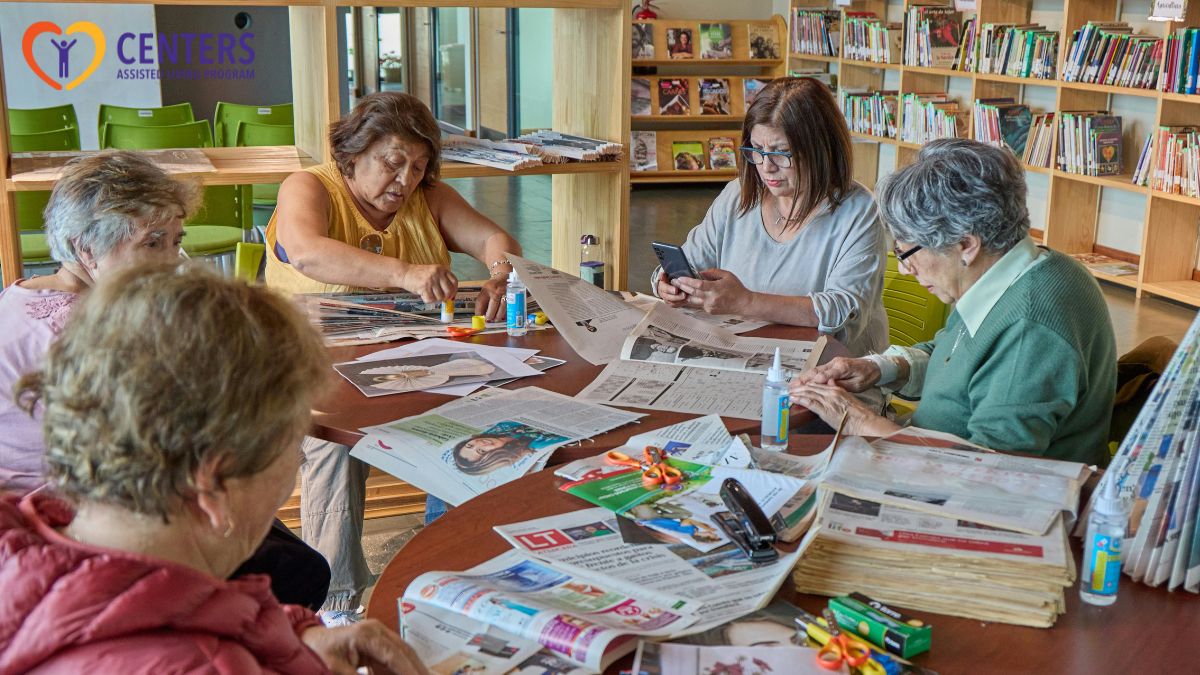
- Creative and music programs. Arts and crafts events for seniors, along with choir, drumming, or sing-along sessions, make it easier to connect without needing perfect memory.
- Faith and reflection. On-site worship services, prayer circles, or meditation groups that mirror long-held spiritual routines.
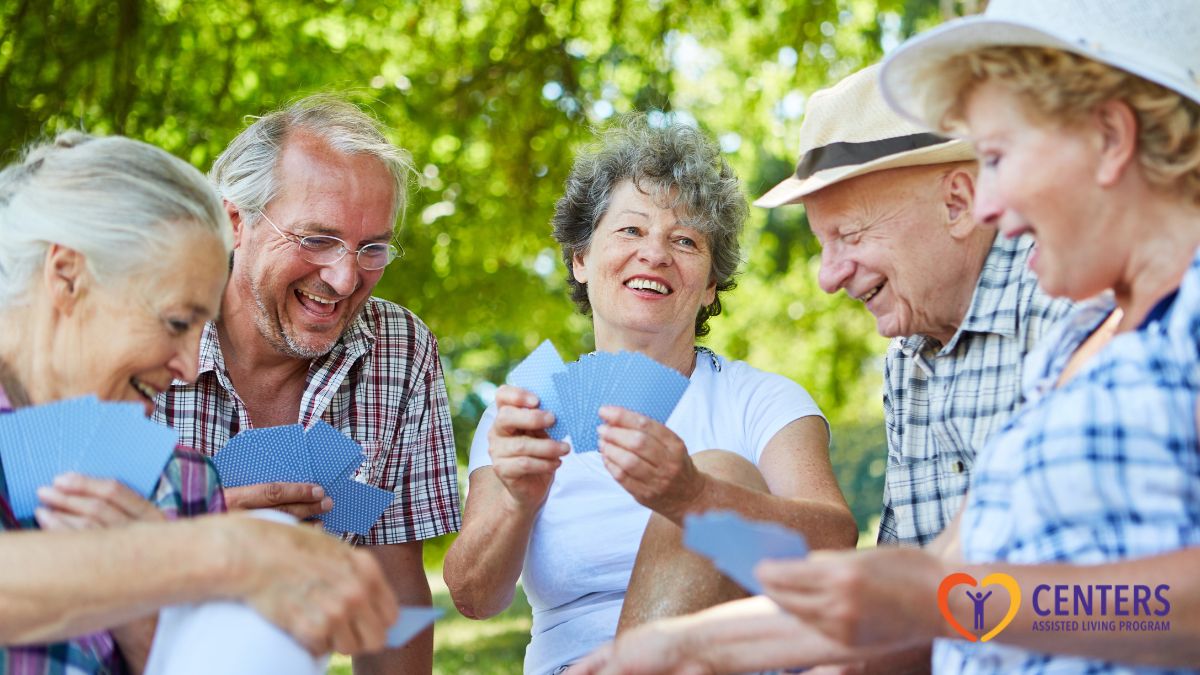
- Movement and games. Chair yoga, walking clubs, bowling, or bingo that combine light activity with teamwork and humor.
- Service and leadership. Resident councils, welcome committees, or charity projects that give residents a voice and a role.
Emotional wellness for seniors grows when they can choose from different layers of involvement. Some may prefer organized clubs or music therapy sessions; others may favor informal chats in the lounge. What matters is that options feel accessible, frequent, and tailored enough that residents can say “yes” to at least one or two touchpoints most days.
Families reading the calendar can ask more than “What activity is offered?” and start asking, “Who could my parent connect with here?” and “Which groups would match their story, faith, or hobbies?”
 How Does Connection Support Emotional Wellness for Seniors?
Social connection supports emotional wellness in seniors on several levels. A recent poll of adults ages 50–80 found that about 37% reported loneliness and 34% felt socially isolated in 2023. That emotional strain often shows up as sadness, irritability, poor sleep, or loss of interest in favorite activities.
Studies now show that social participation reduces depressive symptoms and mental frailty in older adults. Other research links regular social activities with better cognitive function and a lower risk of dementia, partly because social contact stimulates the brain and can ease depression.
Inside assisted living, emotional wellness seniors may experience:
- Belonging. Residents feel known by name, noticed when they are absent, and welcomed back when they rejoin a group.
- Purpose. Roles like mentoring new residents, leading a prayer, or organizing a card game restore a sense of contribution.
- Stability. Regular staff check-ins create a dependable baseline of support, so mood swings and worries do not go unnoticed.
Families often notice that a loved one who once ate alone now talks about “my table” or “my walking group.” That shift from isolation to connection can gently reduce anxiety, soften symptoms of depression, and support clearer thinking over time.
Senior Social Engagement With Dementia or Mobility Limits
Cognitive changes or mobility challenges do not remove the need for connection. In fact, older adults who live with memory loss often rely even more on familiar faces and consistent routines. Research indicates that social engagement can slow cognitive decline, even in people who already experience loneliness or depressive symptoms.
Assisted living communities adapt social life for residents with dementia or physical limitations through memory care activities and thoughtful supports such as:
- Using smaller groups. Short, predictable activities with a few regular participants feel less confusing than large crowds.
- Building on familiar themes. Music from earlier decades, faith practices, or long-time hobbies help residents feel anchored.
- Providing escorts and cues. Staff gently guide residents to groups, introduce them by name, and stay nearby to support.
- Creating sensory-friendly spaces. Softer lighting, reduced noise, and clear signage help residents stay calmer and engaged.
Senior social engagement here might look like a resident humming along in a music circle, holding hands in a prayer group, or laughing with the same care partner during a card game. Even when memory fades, emotional connection can stay strong, and repeated kind interactions build a sense of safety.
How Can Families Partner in Social Engagement After a Move?
Family support remains vital after a loved one moves into assisted living. A recent report on older adults found that about 33% still felt lonely at least some of the time in 2024, showing that connection needs ongoing attention rather than one-time fixes. Families can work alongside staff to maintain strong relationships.
Helpful ways to support senior social engagement include:
- Co-creating a visit routine. Short, regular visits often feel more grounding than rare, long ones.
- Aligning with the calendar. Planning visits around a favorite group, worship service, or concert turns the visit into a shared experience.
- Bringing the outside in. Photos, letters, or video calls with grandkids help residents share their assisted living life with loved ones.
- Checking in with staff. Regular conversations with activity directors or caregivers help align efforts when mood or health changes.
Preventing loneliness in the elderly is easier when family, staff, and community programs all pull in the same direction. When everyone sees social life as part of care, residents gain more chances to feel loved, useful, and connected.
 Frequently Asked Questions
How much social interaction do older adults need each week?
Older adults benefit from daily social touchpoints, even if brief. There’s no fixed number of hours, but regular, meaningful interaction, like meals, group activities, or visits, supports mental health and reduces depression. Aim for at least one quality social connection most days based on energy and interest.
Is it normal for a new resident to still feel lonely after moving?
Yes, it’s normal for a new resident to feel lonely after moving into assisted living. Adjustment takes time and may involve grief, uncertainty, and fatigue. Support from familiar routines, consistent social contacts, and staff attention to mood can ease the transition and build new connections gradually.
Can introverted seniors still benefit from group activities?
Yes, introverted seniors can benefit from group activities when they are low-pressure and tailored to their comfort. Small groups, quiet settings, and one-on-one interactions still provide social connection and mental health benefits without overwhelming stimulation.
Choose Socially Connected Assisted Living in New York
Social connection in later life is more than entertainment; it supports mood, cognitive function, and physical health among older adults. Assisted living in New York that prioritizes relationships can turn long, quiet days into weeks filled with familiar faces, shared routines, and moments of absolute joy.
At Centers Assisted Living, residents experience a community where meals, activities, and staff interactions are all designed to support social life and emotional wellness. If you want a setting where your loved one can receive support and still feel genuinely connected, reach out today to learn more about daily life and availability.