

Key Points:
- Memory care activities support calm, connection, and daily function in assisted living.
- Folding towels, singing songs, and light motion build comfort and engagement, while short, familiar tasks reduce stress and improve sleep, meals, and mood.
- Group formats and personal cues help residents feel at home.
Days in assisted living can sometimes feel repetitive or quiet for residents living with memory loss. Families worry when their loved ones stop joining group activities or seem withdrawn. Staff, too, look for ways to fill the day with purpose instead of just passing time.
Memory care activities turn ordinary moments, like folding towels, sharing songs, or watering plants, into small wins that build comfort and connection. Up next, you’ll see how activity design supports calm, focus, and social engagement while helping residents feel more at home in assisted living communities.
 Why Do Memory Care Activities Matter in Assisted Living?
Families want daily life to feel safe, purposeful, and social. Memory care activities do this job. Activities help residents use remaining skills, reduce stress, and keep a routine that supports meals, sleep, and personal care.
Assisted living communities serve many residents with cognitive changes. Nearly half of residential care residents live with Alzheimer’s or another dementia.
That scale shapes staffing, training, and the activity program inside every building. 43.8% of residential care residents have Alzheimer’s or another dementia (2022), which means activities cannot be an afterthought.
Memory care activities work best when they feel familiar, short, and predictable. Staff cue one step at a time. Residents receive enough help to start, then space to finish. Small wins build momentum. Over time, participation rises and refusals fall.
Goals That Guide the Program
- Calm: Lower agitation and anxiety during transitions.
- Connection: Encourage eye contact, shared stories, and light conversation.
- Function: Practice the movements and cues used in dressing, eating, and bathing.
- Joy: Offer music, scent, touch, and humor that feel like home.
Which Activities Work Best for Daily Engagement?
The strongest programs blend movement, music, reminiscence, and hands-on tasks. Each fits different energy levels and times of day. Activities for memory care residents should be simple to start and easy to adapt midstream. Daily group motion and community events for seniors help sustain engagement while routines stay predictable
Newer research ties small amounts of moderate to vigorous movement with lower dementia risk over time. Dementia risk was 60% to 69% lower with 35–140+ minutes of weekly activity in a large tracker-based study. That does not cure dementia, but it supports the case for daily group motion in assisted living.
Music lowers anxiety and invites interaction. Group sing-alongs and tailored playlists help residents who rarely join other tasks. A recent meta-analysis found music interventions significantly reduced anxiety in dementia (SMD −0.67), supporting everyday use in the activity room and during care tasks.
Core Daily Options
- Gentle Motion: Chair stretches, light band routines, or seated tai chi in 10–15 minutes.
- Music Moments: Familiar songs, rhythm sticks, or humming to cue breathing and relaxation.
- Reminiscence Prompts: Object boxes (old kitchen tools, postcards), decade photos, or local history.
- Hands-On Tasks: Folding towels, sorting buttons by color, or pairing socks for quick wins.
- Nature Touchpoints: Herb planters to water, bird feeder checks, or leaf sorting on the patio.
 Memory Care Activities Calendar: How Should a Week Look?
A memory care activities calendar keeps days predictable for residents and staff. Build themes, but focus on time-of-day energy as you rotate senior citizens’ events through the week. Plan short, repeated blocks instead of long events. Repeat favorites across the week to increase comfort and carryover.
Start high-energy tasks earlier in the day when attention is better. Shift to calming sensory work later. Post simple visual schedules at eye level. Announce what comes next and show the first item to start.
Sample 7-Day Flow (Mix and Match)
- Morning Energizers: Seated cardio, balloon toss, or hallway “walk and greet.”
- Late-Morning Focus: Word-picture bingo, sorting tasks, or one-step crafts.
- After-Lunch Calm: Audiobooks, chair yoga, hand massage with lotion, or laundry folding.
- Afternoon Social: Sing-along, trivia on decades, or coffee chats with family photos.
- Evening Wind-Down: Soft music, dim lights, warm washcloths, and reminiscence cards.
Calendar Tips That Work
- Short Blocks: Plan 15–25 minutes per block with a shared cue to start and finish.
- Consistent Cues: Use the same opening song or bell to mark transitions.
- Universal Design: Large fonts, high-contrast boards, and simple icons for each activity.
Group Activities for Memory Care Patients
Small groups beat large crowds. Three to eight residents per table keep noise low and attention high. Rotate stations so residents move without long waits. Pair those who like to lead with those who follow.
Care teams can layer goals into group sessions. A chair-exercise circle may include counting aloud, call-and-response lyrics, and a hand-off game that cues turn-taking. These small targets build language and social skills while residents “just do the class.”
Reliable Group Formats
- Movement Circles: Seated routines with bands or soft balls that pass from person to person.
- Music and Memory: Live strumming, staff-led karaoke, or headset playlists for quiet focus.
- Reminiscence Tables: Recipe sharing, vintage magazines, or “tools of the trade” stations.
- Sensory Stations: Fabric squares, lavender sachets, or spice jars to smell and compare.
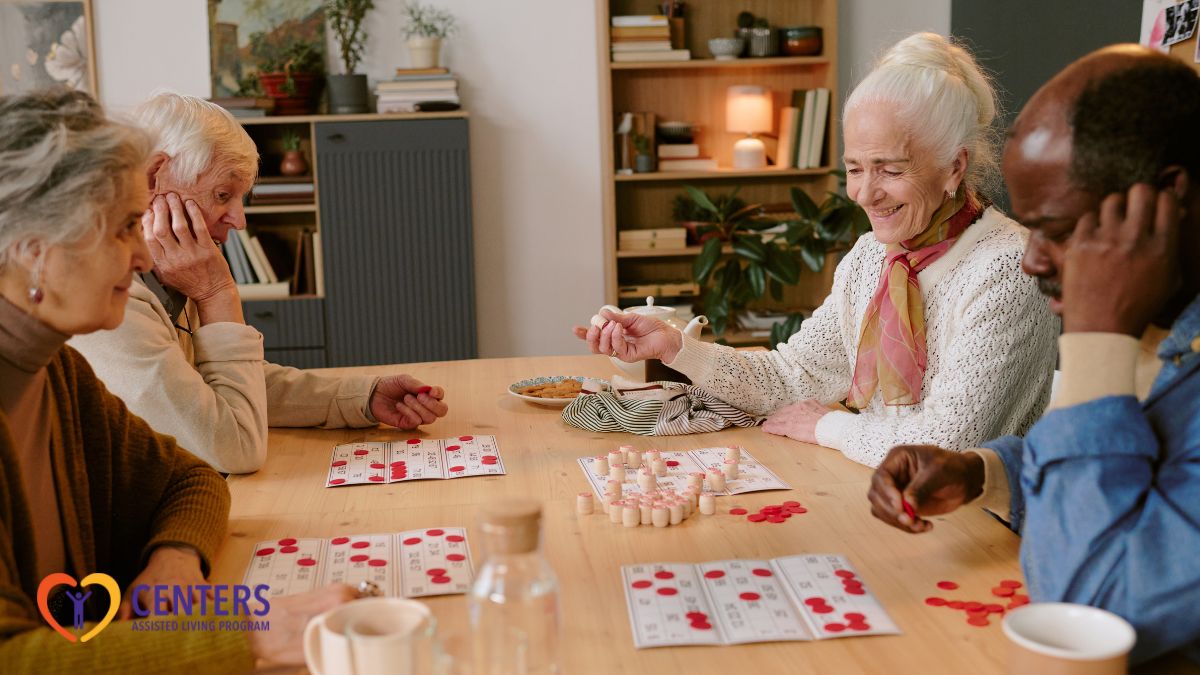
- Games That Scale: Large-print bingo, ring toss, or picture sequencing with 3–5 steps.
 Fun Activities for Memory Care Residents
Fun activities for memory care residents do not need fancy supplies. The best ideas grow from past roles and simple pleasures. Ask families for three favorite songs, one daily habit, and one proud memory. Use these to seed quick wins during the week.
Quick Wins
- Photo Sparks: Two or three labeled photos per page for “tell me about this” chats.
- Kitchen Comforts: Stir batter, shell peas, or wipe the table together after a snack.
- Creative Play: Watercolor postcards, sticker collages, or clay pinch pots that air-dry.
- Nature Nods: Seed sorting, bird-call listening, or watering the “resident’s plant of the day.”
- Household Helpers: Napkin folding, place-setting practice, and name-card placement at lunch.
How Do You Personalize Activities Without Overstretching Staff?
Start with a short profile for each resident. Capture sensory likes, music tastes, past work, and morning vs. evening energy. Keep it on a single page in the activity binder and at the nurse’s station. Train all staff to use one item from the profile during care, and align it with 24/7 professional care so support carries beyond the recreation room.
Use color-coding for group invites. Mark cards for “loves music,” “morning mover,” or “needs quiet.” This helps new staff choose the right group fast. Use short trials. If a resident turns away twice, switch to a calmer option and try again later.
Personalization Moves
- One Favorite First: Begin with a known song or object to build trust.
- Adjust the Steps: Remove extra tools and cut the task to one or two actions.
- Match the Seat: Place residents near staff or exits based on comfort and cueing needs.
- Close the Loop: End with a praise line and a small job to tidy the space.
 What Role Do Music and Reminiscence Play?
Music and reminiscence connect present moments to familiar sounds and stories. They regulate breathing, set a shared rhythm, and lower stress. Residents who struggle to follow instructions often join when the cue is a melody rather than a sentence.
Evidence supports everyday use. A meta-analysis shows music interventions reduced anxiety in dementia (SMD −0.67), strong support for playlists, live sessions, and music during evening care. Link music to routine: a wake-up playlist, a lunchtime waltz, and a sunset set of slow instrumentals.
Reminiscence gives meaning to simple objects. Tools, recipes, and hometown maps unlock long-term memories even when short-term memory is weak. Staff can use “tell me more about…” prompts while hands stay busy with sorting or folding.
Setup Shortcuts
- Playlist Cards: Three songs for wake-up, meal, and bedtime, saved on a tablet.
- Story Kits: Boxed items by decade or theme, like kitchen, travel, school, or holidays.
- Cue Boards: One photo and three words under it to start a chat.
How Do You Measure Engagement and Progress?
Track what residents do, not just what they attend. A short checklist after each block keeps the data useful and fast to capture. Over time, patterns show which sessions to repeat, when to shorten, and who needs one-to-one support.
Simple Measures to Use Weekly
- Participation Scale: From “watched only” to “led parts of the task.”
- Mood Before/After: Calm, neutral, or tense, with one brief note on changes.
- Care Carryover: Did dressing, bathing, or meals go smoother after the session?
- Family Feedback: Quick texts or a hallway board sharing a weekly highlight.
Share results with families. Use two lines and a photo: “Maria led the towel-folding team today. We added her wedding song to the afternoon set.” Short updates build trust and invite family ideas for the next week’s memory care activities.
Safety and Dementia-Friendly Design: What Should Staff Prepare?
Safety sits inside design. Lower clutter, reduce glare, and keep paths wide. Activity tables should offer high contrast and non-slip mats. Use unbreakable items and soft edges. Keep hydration nearby and build water breaks into the plan.
Environment Checklist
- Visual Clarity: Big-print labels, simple centerpieces, and consistent table layouts.
- Sound Control: Soft ceilings, curtains, and small groups to cut echo and noise.
- Scent Sense: Mild lotions and herbs rather than strong perfumes.
- Lighting: Warm light in the evening to cue wind-down.
 Frequently Asked Questions
How long does it take to adjust to memory care?
Most residents adjust to memory care within 30 days. Early routines with familiar staff, music, and personal items help reduce stress. Families who share meaningful songs, photos, and recipes support faster settling. Calm evening routines also improve sleep and lower behavior issues after the first month.
How often should you visit a person in memory care?
Visit a person in memory care two to three times per week when possible. Short, consistent visits at the same time of day support familiarity and coordination with meals and activities. Bring simple, familiar items like photo books or snacks to create calm, meaningful moments during each visit.
How long can someone stay in memory care?
Someone can stay in memory care for several years. Support adjusts over time, from light reminders to full personal care. As needs grow, staff may add home health or hospice services on-site. Memory care aims to provide comfort, safety, and purposeful daily activities throughout the resident’s stay.
Start Engaging Days in New York’s Memory Care
Strong activity design turns daily life into calmer meals, steadier sleep, and friendlier halls. Memory care activities in New York assisted living can be simple, repeatable, and personal.
At Centers Assisted Living, we deliver a vibrant assisted living community experience that blends routines, small-group sessions, and warm one-to-one moments. Contact us to see how our team plans and adapts fun activities for memory care residents and supports families across the week.