

Key Points:
- Senior mental health improves in assisted living through daily structure, built-in social connections, and coordinated healthcare.
- These features reduce anxiety by eliminating the burden of managing medications and emergencies alone, while communal dining and activities combat loneliness.
- Cognitive wellness is supported through brain-stimulating programs, proper nutrition, and early detection of decline.
Watching a parent grow more withdrawn, jumpy, or forgetful after years of living alone can feel scary. The focus often lands on falls, medications, or mobility. Senior mental health can quietly slide into the background, even though about 14% of adults 70 and older live with a mental health condition such as depression or anxiety.
Assisted living changes more than an address. Daily structure, built-in connection, and coordinated healthcare can ease anxiety, soften loneliness, and support thinking skills in ways that are hard to recreate at home.
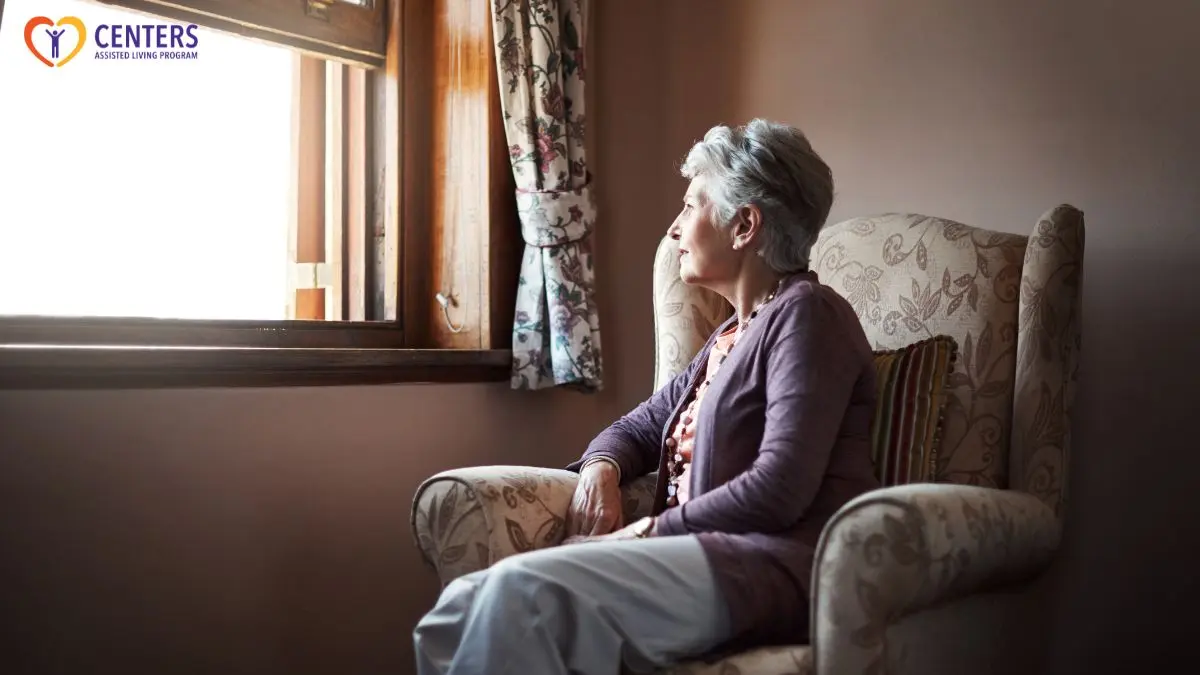 What Mental Health Challenges Do Seniors Face Before Assisted Living?
Before a move, many older adults face a slow build-up of stressors. About 28% of older adults in the United States, or 13.8 million people, live alone, which increases the risk of social isolation in older adults and related health problems like cognitive decline and depression.
When a senior lives alone, several pressures often stack up:
- Shrinking social circles. Friends move away, driving becomes harder, and casual contact drops.
- Heavier daily load. Managing bills, meals, medications, and appointments with less energy can feel exhausting.
- Health changes. Pain, chronic illness, or recovery from surgery can limit outings and hobbies.
These changes set the stage for:
- Anxiety. Worry about falling, missing medications, or handling emergencies.
- Depression in elderly residents. Low mood, sleep changes, irritability, and less interest in activities, often dismissed as “just aging.”
- Cognitive strain. Remembering tasks, keeping track of medications, and planning meals all draw on limited mental energy.
Many residents entering assisted living already need help with several activities of daily living, which adds emotional weight when they are still trying to do everything alone.
Framing this “before” picture helps families see why anxiety, loneliness, and cognitive changes often ease once support becomes part of everyday life.
How Does Assisted Living Reduce Anxiety For Older Adults?
Anxiety in later life often shows up as constant worry, irritability, sleep problems, or frequent calls to family about “what if” scenarios. Seniors living alone carry the full mental load of managing safety, appointments, prescriptions, and money.
In assisted living care and services, several design features work as built-in elderly anxiety support:
- Medication management and mental well-being. Staff help organize and administer prescriptions. This reduces missed doses and accidental double-dosing, both of which can worsen mood or trigger health scares.
- Structured daily routines that seniors can rely on. Regular wake times, meals, and activities reduce uncertainty. Many older adults feel calmer when the day follows a predictable rhythm instead of waiting to see who might stop by.
- Immediate help on site. Knowing someone is available 24/7 if they feel unwell, get confused, or need fall prevention support often reduces the underlying sense of danger.
- Healthcare coordination. Staff can schedule appointments, arrange transportation, and relay updates, so older adults do not have to manage complex medical plans alone.
Assisted living mental wellness programs that pair access to counseling with group discussions and stress-relief activities (like gentle exercise, music, or art) give residents more tools to manage those symptoms.
Why Does Loneliness Often Fade In Community-Centered Living?
Living alone does not always mean feeling lonely, but for many older adults, the two go together. Loneliness is more than boredom. A recent U.S. advisory on social connection reports that social disconnection raises dementia risk by about 50%.
Assisted living communities are built to change how connection happens day to day. Helpful features include:
- Communal dining. Shared meals create repeated chances to talk, laugh, and build small routines like “breakfast buddies.” Reviews of communal eating programs show that eating with others improves diet quality and often lowers perceived loneliness in older adults.
- Regular activities. Games, exercise classes, religious services, and clubs mean residents do not have to plan social time from scratch. They simply show up and join in.
- Senior social engagement benefits built in. Group outings, gardening spaces, and creative workshops encourage residents to move, think, and connect at the same time.
Emotional care seniors receive from staff also matters here. Simple patterns like being greeted by name, having favorite drinks remembered, or being checked on after a rough day tell residents they are seen and valued, not just “cared for.”
Good communities go beyond placing people in the same room. They pay attention to personalities and interests so that quieter residents still find one-on-one connections and meaningful roles, rather than remaining on the edge of group events.
How Do Assisted Living Communities Support Cognitive Wellness?
Residential care community data show that about one-third of residents are diagnosed with Alzheimer’s disease or other dementias, and most need help with several daily tasks such as bathing, walking, and dressing.
That reality makes cognitive wellness programs especially important in assisted living. Helpful elements include:
- Structured cognitive wellness programs. Many communities offer book clubs, discussion groups, music sessions, games, and creative projects that challenge memory, attention, and problem-solving in enjoyable ways.
- Memory support assisted living features. For residents with early cognitive change, secure layouts, visual cues, and staff trained in cueing and redirection support independence while keeping people safe.
- Nutrition and hydration. Malnutrition is common in older adults and is linked to faster cognitive and functional decline. This is especially true for seniors managing chronic conditions alongside dementia. Regular, balanced meals and fluid reminders in assisted living help protect against these risks.
- Access to outdoor spaces. Gardens and walking paths encourage light activity and time in nature, which support mood, sleep, and circulation to the brain.
Healthcare coordination is another quiet but powerful tool. When staff track changes, arrange follow-ups, and share observations with physicians, they help catch new confusion, medication side effects, or untreated depression earlier. Timely treatment for these issues can slow decline or improve day-to-day thinking.
 Why Personalized Care Plans Sustain Long-Term Mental Wellness
Mental health in assisted living does not improve by accident. Seniors bring unique histories, personalities, beliefs, and coping styles. A strategy that eases one resident’s anxiety may frustrate another.
Personalized care plans that older adults receive in quality communities start with in-depth assessments. These cover:
- Medical diagnoses and medications
- Past mental health history
- Social preferences and important relationships
- Spiritual or cultural needs
- Interests, hobbies, and daily routines
From there, teams can match services to the person. One resident may benefit from quiet small-group activities and regular calls with family. Another might feel best with a full schedule and leadership roles in resident councils.
Practical help with housekeeping and activities of daily living, mental health needs, and supports emotional stability. When bathing, dressing, laundry, and room upkeep are manageable again, many residents describe feeling more dignified and less ashamed of needing help.
Senior mental health gains last longer when emotional support, medical care, daily routines, and social life are all aligned rather than treated as separate issues. That integrated approach to holistic senior care planning is what families can ask about during tours and care-plan meetings.
 FAQs About Senior Mental Health
What are the most common mental disorders in older adults?
Depression and anxiety are the most common mental disorders in older adults worldwide. About 14.1% of adults aged 70 and older live with a mental disorder. Dementia, including Alzheimer’s disease, is also highly prevalent, affecting about one-third of U.S. residential care residents.
What is the mental health assessment for the elderly?
A mental health assessment for the elderly is a structured evaluation of mood, memory, thinking, behavior, and daily functioning. Clinicians typically combine standardized screening tools with a clinical interview, medical review, and input from caregivers or assisted living staff.
Which is the most common psychological disorder among adults aged 65 years or above?
Depression is the most common psychological disorder among adults aged 65 years or above. Depression affects about 1%–5% of community-dwelling older adults as major depressive disorder at any time, and many more older adults have clinically significant depressive symptoms that reduce function. Depression rates rise with chronic illness and long-term care.
Support Senior Mental Health With the Right Community
Anxiety, loneliness, and cognitive changes often look separate, but they usually feed into each other. A move to assisted living can start to ease all three when daily routines are predictable, relationships are built into everyday life, and healthcare is coordinated instead of scattered.
Centers Assisted Living brings these pieces together across its vibrant assisted living communities in New York, pairing 24-hour staffing, medication support, personalized care planning, daily activities, communal dining, and outdoor spaces designed for whole-person wellness.
Families considering a move for a loved one can talk with our team, tour a community, or ask detailed questions about anxiety support, social programming, and cognitive wellness programs. Get in touch with us today. Lets us share how we can support your loved one’s emotional well-being, social life, and day-to-day independence in one connected place.