Key Points
- Smart tech in assisted living helps detect falls, monitor vital signs, and alert caregivers quickly.
- Ambient sensors, wearables, and AI-driven systems enable proactive and personalized safety.
- Integration with telecare and robotics fosters independence while reducing risks and isolation.
Concern about unnoticed falls, missed medications, or late-night confusion can leave families feeling constantly on alert. Home devices help, but they rarely offer continuous support or quick response. Assisted living communities integrate smart technology into the entire environment so safety becomes proactive rather than reactive.
These systems work alongside trained staff, providing real-time information, early warnings, and consistent monitoring. When families understand how technology strengthens safety, it becomes easier to trust that loved ones receive dependable support throughout the day.
The Foundations: Why Smart Tech Matters in Assisted Living
Older adults face elevated risks due to declining mobility, balance, and cognition. According to systematic reviews, falls are among the most serious dangers for people aged 65 and over.
Traditional care models rely heavily on periodic checks, alarms, or call buttons, but these approaches may leave gaps. Smart technology fills those by continuously monitoring patterns, responding instantly to anomalies, and alerting caregivers before a small incident becomes a crisis.
Fall Detection: The Core Safety Feature
How It Works
Smart fall detection uses a variety of methods:
- Wearables (pendants or wrist devices) with accelerometers measure sudden movements.
- Non-wearable sensors, such as floor sensors or smart carpets embedded with RFID tags, detect when someone has fallen.
- Hybrid systems combine both for better accuracy.
- AI-based video monitoring analyzes movement and posture to recognize high-risk behaviors or falls in real time.
A systematic review found that non-wearable and hybrid sensors, particularly when paired with deep learning models, deliver the most reliable fall detection performance.
Why It’s Effective
- Quickly alerts staff or family, reducing adverse outcomes from lying undetected.
- Reduces false alarms: advanced systems distinguish between real falls and everyday activities.
- Allows for data-based adjustments: if certain areas (like bedrooms or bathrooms) produce more fall alerts, the facility can reassess layout, lighting, or caregiver schedules.
Real-World Impact
According to case studies in senior communities, AI-powered fall detection systems (e.g. via smart lamps or vision-based alerts) have significantly reduced fall-related incidents.
Continuous Health Monitoring
Remote Monitoring and Telecare
Remote monitoring systems (“telecare”) use sensors to track daily behaviors, vital signs, and emergencies. These might include:
- Motion sensors in living spaces that detect inactivity or unusual patterns.
- Wearable devices that pick up heart rate, respiration, or other vital metrics.
- Environmental sensors (smoke, CO, water) to instantly notify caregivers about hazards.
Research shows that continuous monitoring can reduce readmissions and help prevent emergencies by catching warning signs early.
Proactive Health Alerts
Smart systems can flag deviations from normal patterns, such as skipping meals, staying in one room too long, or uncharacteristic nighttime wandering. When these changes occur, alerts can go to staff or loved ones, enabling timely intervention. 24/7 professional support combines these technological tools with trained caregivers for comprehensive monitoring.
Medication Safety
Smart pill dispensers and voice reminder systems increase medication adherence. Some devices not only dispense the right doses at the right time but also notify caregivers when a dose is missed. For seniors juggling multiple prescriptions, this reduces risk of drug interactions or forgotten doses.
Smart Living Spaces
Home Automation for Daily Safety
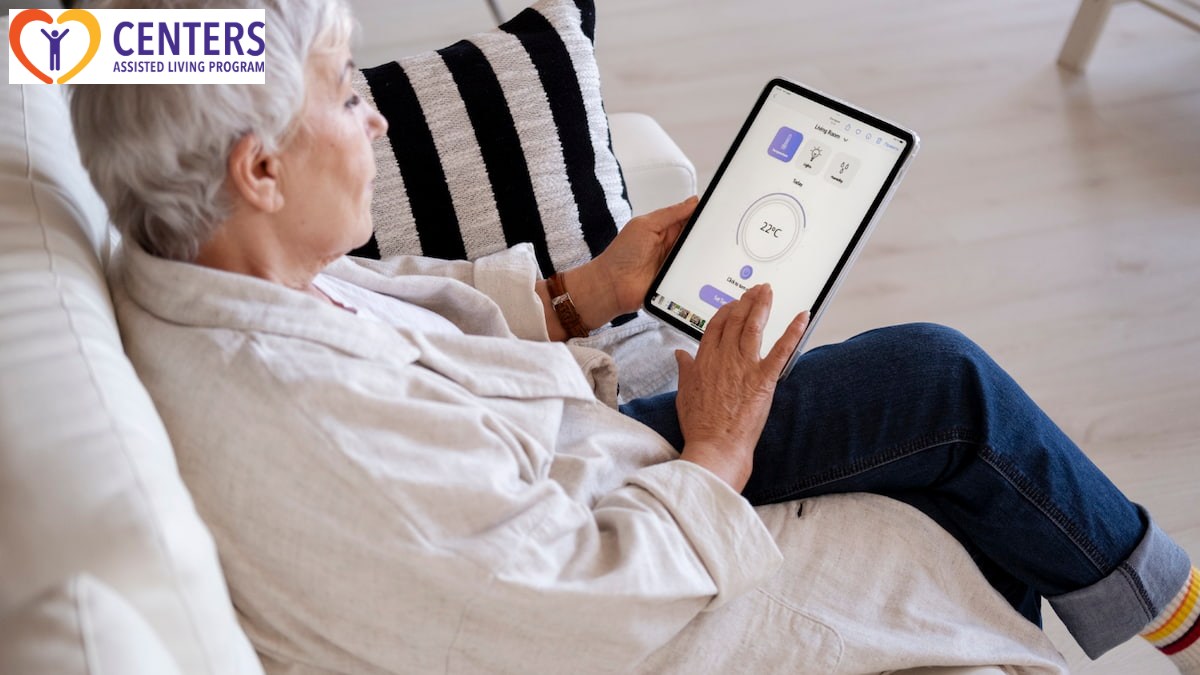
Smart home systems elevate basic safety and comfort:
- Motion-activated lighting: Pathway lights turn on automatically, preventing nighttime falls. seniorsite.org
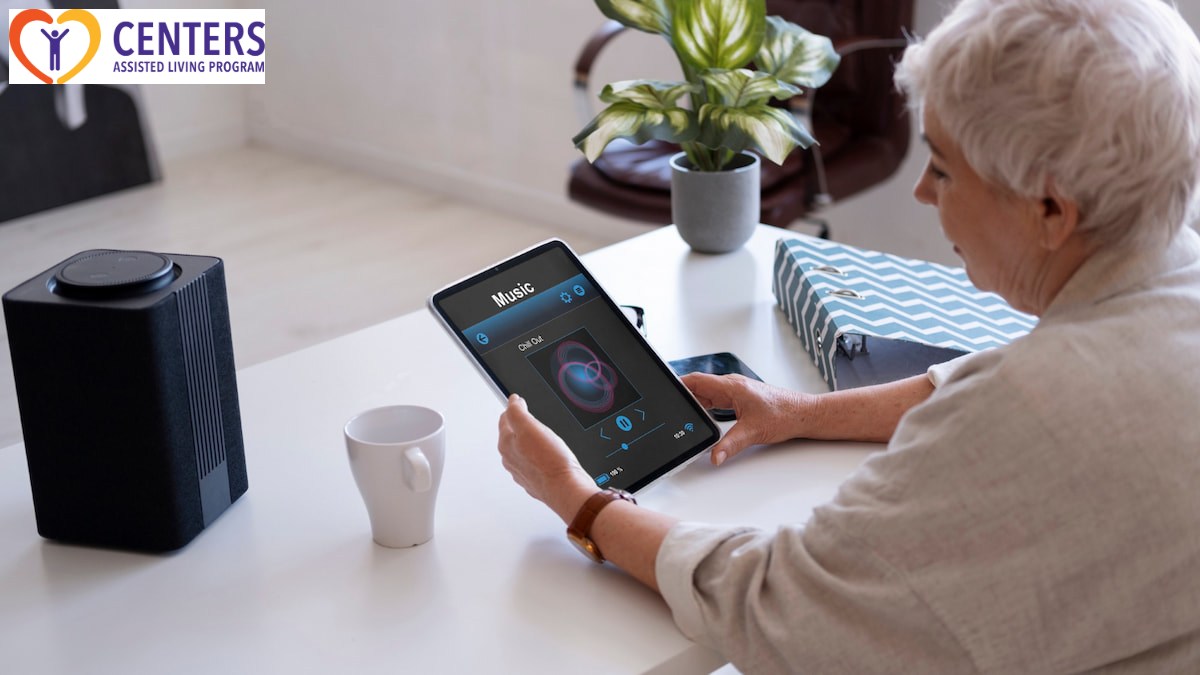
- Voice assistants: Devices like smart speakers let residents call for help, remind themselves of meds, or control appliances hands-free. seniorsite.org
- Smart stoves and appliances: Auto shut-off features reduce fire risk. seniorsite.org
- Smart detectors: Smoke, water, and gas sensors with instant alerts improve risk management. seniorsite.org
Intelligent Flooring
Innovative systems embed RFID tags in flooring or carpets. When paired with readers and AI, they can distinguish between routine movements and falls, alerting caregivers only when necessary.
Robot Companions and Social Engagement
Assistive robots such as companion robots offer safety and companionship. These devices can monitor behaviors, detect emergencies, and even provide social interaction to reduce isolation. Another example is a robot that uses vision to detect falls, track daily routines, and call for help.
Artificial Intelligence: Beyond Alerts to Prediction
Behavioral Insights
AI models analyze patterns over time: walking speed, frequency of room transitions, or hesitation before standing up. These models predict when a person may be at risk of falling, or when their health might deteriorate.
Advanced systems (like human action recognition) classify real-time behavior into categories: falling, staggering, chest pain, and normal activity. Such recognition helps caretakers intervene sooner.
Data-Driven Care Plans
By combining sensor data with machine learning, assisted living staff can refine care plans:
- Adjusting staff rounds based on high-risk windows
- Redesigning physical spaces that correlate with alerts
- Customizing interventions based on individual behavior trends
Research comparing many machine learning methods found optimal algorithms for fall detection, improving system responsiveness and reducing error. Understanding different levels of assisted living care helps facilities tailor technology implementation to specific resident needs.
Psychological and Quality-of-Life Benefits
Smart technologies don’t just promote safety, they support dignity, connection, and mental well-being.
- Reduced anxiety: Seniors often feel more secure knowing that help will come quickly when needed.
- Empowerment: With voice assistants, residents can manage aspects of daily living themselves.
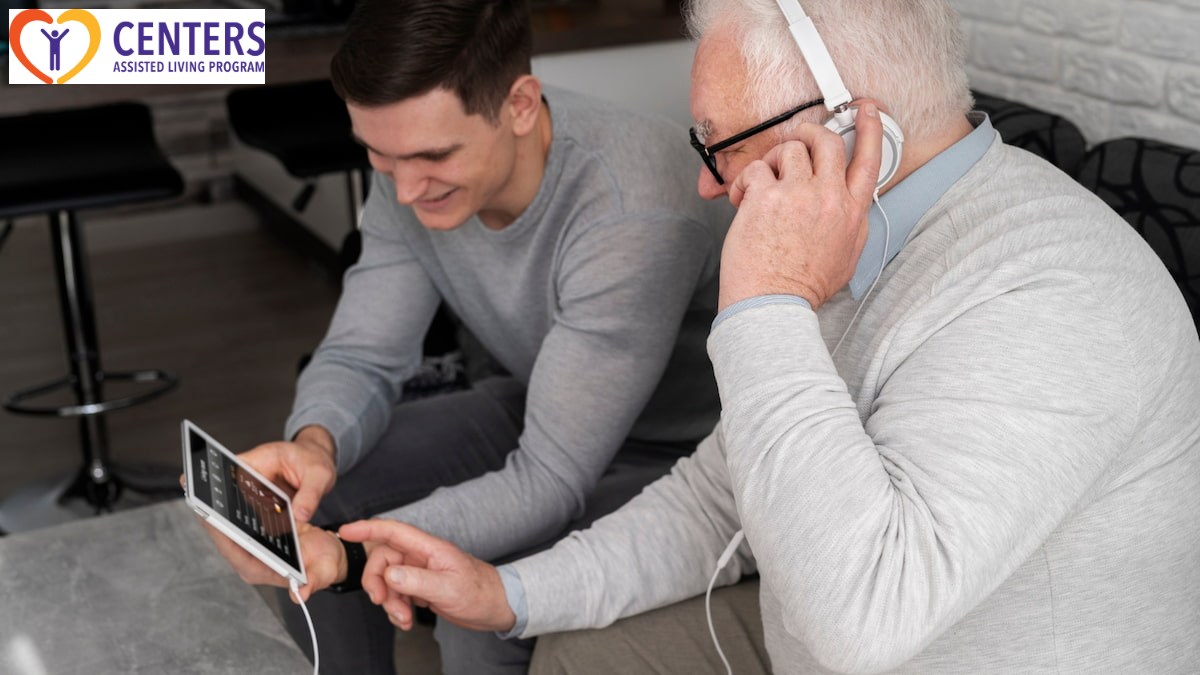
- Social interaction: Telecare platforms and companion robots provide opportunities for communication with family, care staff, or peers.Participation in community events and volunteer opportunities further enhances social connections.
- Lower care burden: Families and caregivers feel less stressed when systems transparently report daily living patterns. In a survey, caregivers’ positive attitudes strongly influenced technology adoption.
Implementing Smart Tech in Assisted Living: Best Practices
Start with assessment
Evaluate residents’ risk profiles, mobility, cognitive challenges, fall history, and match technology accordingly. This assessment should align with understanding the different levels of care available.
Layer your solutions
Combine wearable and non-wearable sensors, environment automation, and AI for a comprehensive safety net.
Ensure privacy and consent
Explain to residents (and families) how data is collected, stored, and used. Choose systems that balance monitoring with dignity.
Train staff thoroughly
Care teams should learn how to interpret alerts, maintain devices, and respond according to established protocols.
Review and refine care plans
Use insights from smart tech to adjust routines or physical layouts: perhaps more lighting in certain zones, or scheduled check-ins during riskier hours.
Evaluate regularly
Use metrics like fall rate, response time, resident satisfaction, and engagement levels to gauge ROI and impact.
Challenges and Considerations
- Cost: Deploying smart systems can be expensive, especially with AI-based or robotics-enabled tools.Families should explore assisted living costs and understand how technology features may affect pricing.
- Technology acceptance: Some residents may feel uncomfortable wearing devices or monitored via camera or sensors. Educational efforts are critical.
- False alarms: Poorly tuned systems may create alert fatigue; it’s important to calibrate sensitivity carefully.
- Data security: Protecting sensitive health data is vital; encryption and secure networks should be in place.
- Ethical balance: Over-reliance on tech could diminish human interaction; smart tools should augment, not replace, compassionate care.
Looking Ahead: The Future of Smart Assisted Living
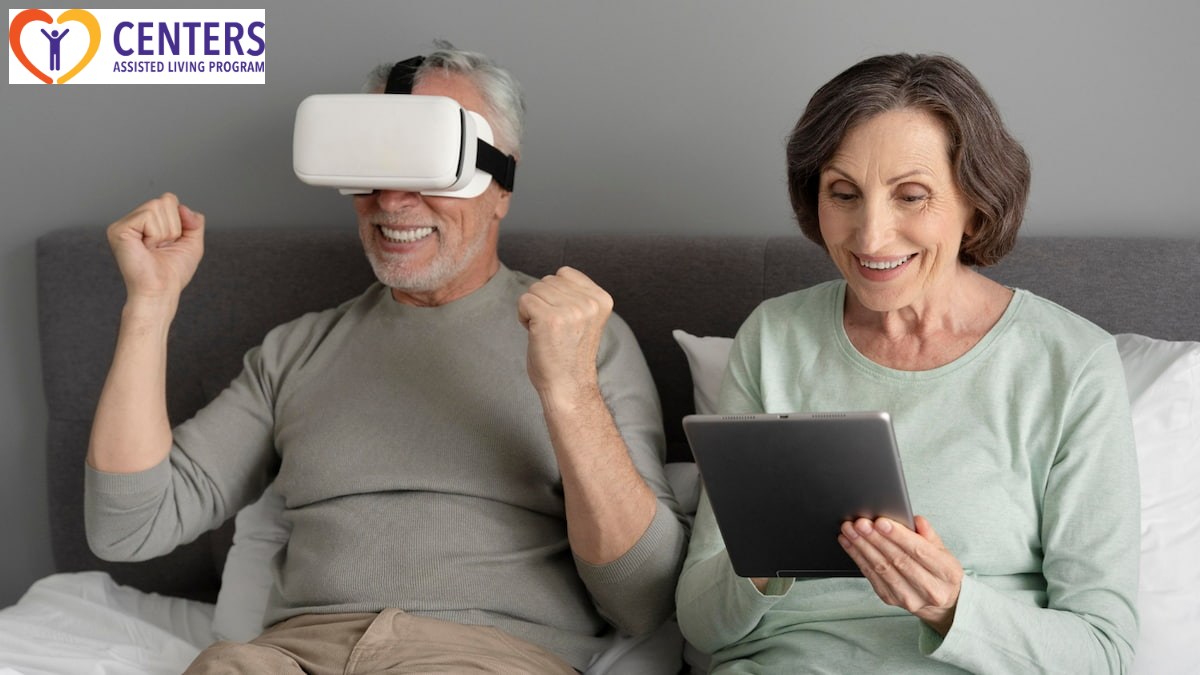
- 5G and edge computing: Faster, low-latency networks enable real-time AI processing on edge devices, improving responsiveness.
- Blockchain: Emerging designs use blockchain to secure fall event data for authenticity and privacy.
- More autonomous robotics: Companion robots may increasingly handle routine check-ins, conversation, and physical support.
- Predictive analytics: Sophisticated models will forecast health declines or emergencies days before they happen.
- Seamless integration: Smart systems may converge into unified platforms combining fall detection, health monitoring, medication management, and social care.
Frequently Asked Questions
Can smart fall detection systems really reduce the number of serious fall injuries?
Yes, by detecting falls immediately and alerting caregivers fast, these systems reduce time on the ground, lowering risk of injury and complications.
Will older adults accept these smart technologies?
Many do. Studies show even older adults uncertain about tech grow more positive when they experience enhanced safety and ease of use.
Is data collected by these systems secure?
Reputable systems use encryption and secure cloud or edge computing to protect personal information, but facilities should vet vendors carefully before adoption.
Explore Technology That Keeps Your Loved One Safer Every Day
Families want reassurance that safety is not left to chance. Technology in modern assisted living offers that reassurance through systems that quietly monitor risk while preserving independence. Tools like fall detection, medication reminders, and secure communication give residents gentle protection without disrupting daily life. In New York assisted living communities, these innovations are paired with trained staff who respond quickly when support is needed.
At Centers Assisted Living, technology is woven into care routines so families know their loved one has both human attention and reliable digital oversight. It creates an environment where hazards are reduced and caregivers can focus on meaningful interactions instead of constant worry.
If you want to see how smart systems can enhance safety and comfort, connect with our team. We can walk you through the specific tools available, how they operate, and how they improve peace of mind.