Key Points:
- Culturally inclusive senior care improves assisted living outcomes by aligning meals, communication, activities, and care plans with residents’ language, faith, and traditions.
- This approach reduces social isolation, builds trust between families and care teams, and supports better mental and physical health.
- Seniors who feel culturally respected participate more, report concerns earlier, and experience higher overall well-being.
Moving a parent into assisted living can feel even harder when your family traditions, language, and faith are different from what you usually see in senior communities. Many adult children in New York worry less about room size and more about whether their parents will feel understood and respected.
Culturally inclusive senior care means a community actively shapes meals, activities, staffing, and care approaches around residents’ cultures and identities, instead of treating those details as extras. In a city where more than half of adults 65 and older were born outside the United States, families need more than generic support.
The sections below show how this approach changes daily life, health, and family relationships in diverse assisted living communities.
 How Culturally Inclusive Senior Care Honors Cultural Identity
Cultural identity in aging is closely tied to mood, dignity, and a sense of purpose. Research on older adults shows that feeling connected to one’s cultural group protects against depression and social isolation across very different countries.
Culturally inclusive senior care treats language, traditions, and beliefs as core parts of the care plan. Staff asks about how residents pray, celebrate, mourn, and relax. They learn which holidays feel most important, which songs feel comforting, and how residents prefer to be addressed.
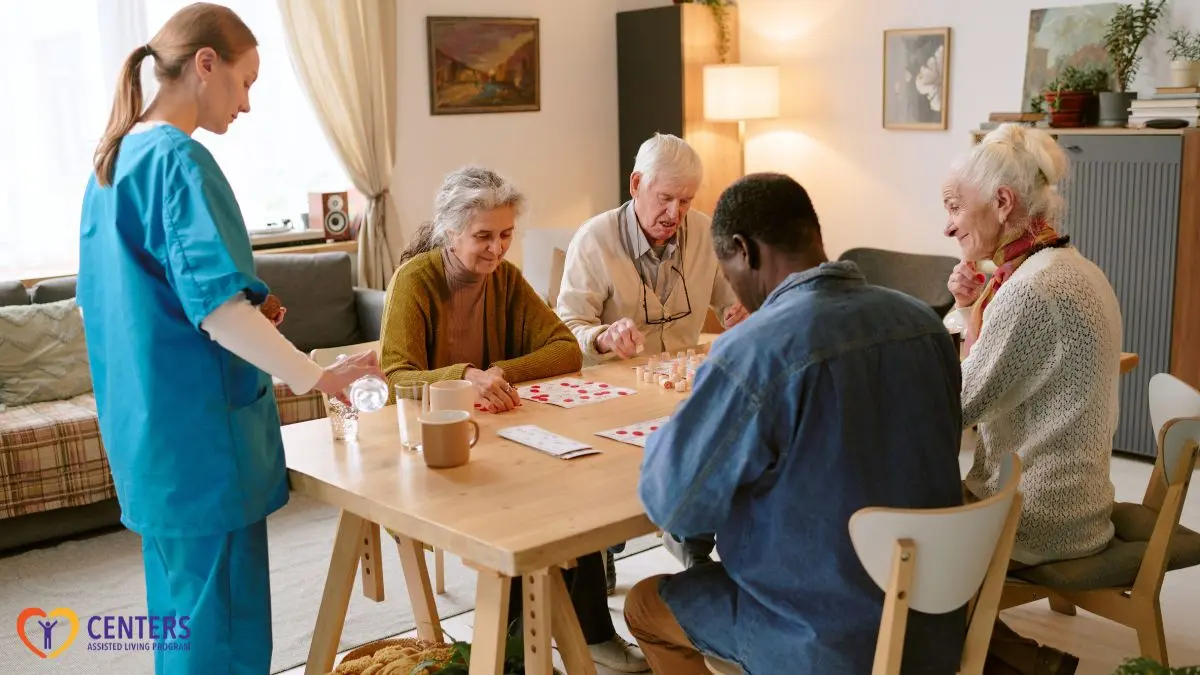
That information shapes daily routines, from which TV channels play in common areas to how staff greet residents in the morning. When residents walk into a community and hear familiar languages, see cultural symbols, and taste foods from home, the move feels less like losing everything and more like bringing their story into a new space.
Culturally inclusive senior care uses that identity as an anchor during a major life transition rather than asking residents to leave it at the door.
It Drives Truly Personalized Care Plans
Person-centered care for seniors depends on more than age and diagnosis. Culture shapes:
- Food choices: Many residents follow religious food rules, fasting periods, or long-held cooking traditions.
- Communication styles: Some families speak very directly about illness. Others avoid blunt language and prefer more gentle phrasing.
- Personal care preferences: Ideas about modesty, gender of caregivers, and physical touch vary widely.
- Family roles: In some cultures, adult children or a family elder are expected to make major care decisions together.
Personalized senior care plans work better when all of these details are documented from the start and updated over time. Studies on immigrant older adults highlight that care settings aligned with cultural values improve comfort and willingness to use services.
Culturally sensitive caregivers ask specific questions during admission and case management meetings. They check whether residents want prayer times built into their schedules, whether certain gendered tasks feel uncomfortable, and how much information residents want about serious diagnoses.
Over time, this approach reduces misunderstandings, prevents avoidable conflicts about daily routines, and helps the team catch early signs of distress that might otherwise be missed.
It Reduces Social Isolation Through Culturally Relevant Engagement
Loneliness and social isolation already affect a large share of older adults. A National Academies report estimates that about one in four Americans 65 and older is socially isolated, and that poor social relationships are linked to a 29% higher risk of heart disease, 32% higher risk of stroke, and roughly a 50% higher risk of developing dementia.
For seniors who feel culturally out of place, those risks can grow. Multicultural senior communities respond by designing engagement that feels familiar and welcoming. Instead of one type of holiday party or one style of music, calendars include:
- Cultural celebrations: Lunar New Year, Diwali, Eid, Three Kings’ Day, or other holidays that match the resident mix.
- Language-friendly groups: Conversation circles or reminiscence groups in residents’ preferred languages.
- Interest-based clubs: Cooking, music, or faith-related groups that draw on traditions from different cultures.
Evidence from gerontology research shows that cultural engagement is linked with better well-being and even reduced pain over time, especially for older adults who might otherwise be isolated.
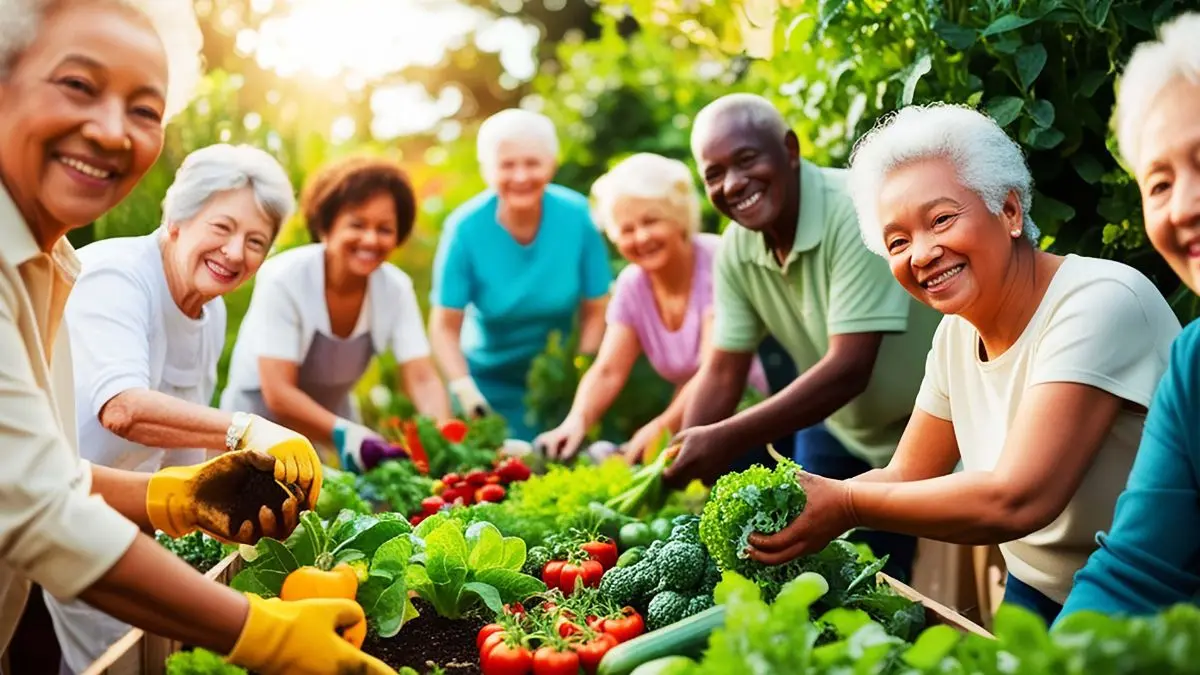
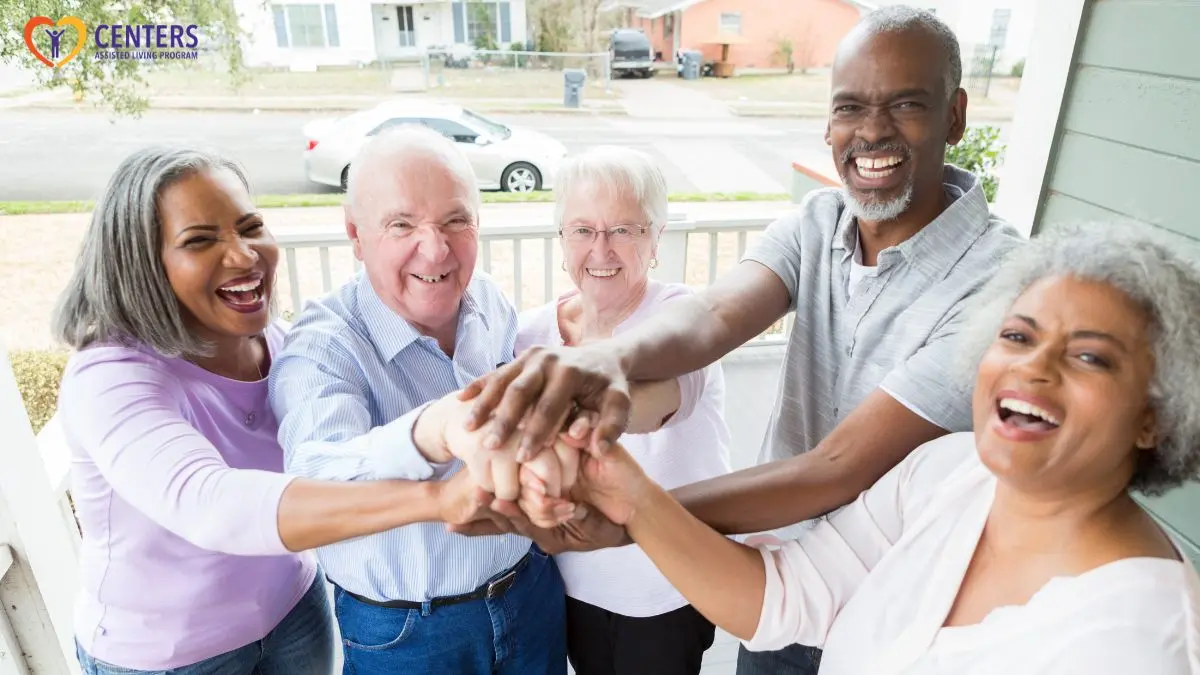
When diverse assisted living programs invite residents to share their stories, recipes, and celebrations, social engagement in senior living feels less like a scheduled activity and more like real community life. Cross-cultural friendships also grow as residents learn from one another’s backgrounds, further reducing the risk of social isolation for everyone.
It Builds Trust Between Residents, Families, and Care Teams
Many families from immigrant and minority backgrounds feel uneasy about institutional care. Research on Black older adults, for example, shows they are less likely to move into assisted living and more likely to move directly into nursing homes compared to white peers, partly because of mistrust and mismatches in care preferences.
Culturally inclusive senior care responds to this trust gap in several ways:
- Bilingual senior services: Communities hire multilingual assisted living staff or arrange professional interpreters so residents and families can explain symptoms, ask questions, and review care plans in their preferred language.
- Cultural competence training: Teams learn about common beliefs, health practices, and decision-making patterns in the communities they serve.
- Family-centered communication: Care conferences, phone updates, and visits are shaped around each family’s norms about who should be present and how decisions should be made.
When families see culturally sensitive caregivers listening, adjusting, and following through, they are more willing to share concerns early, which helps the care team respond before issues escalate.
 It Creates a Community Where Every Resident Feels at Home
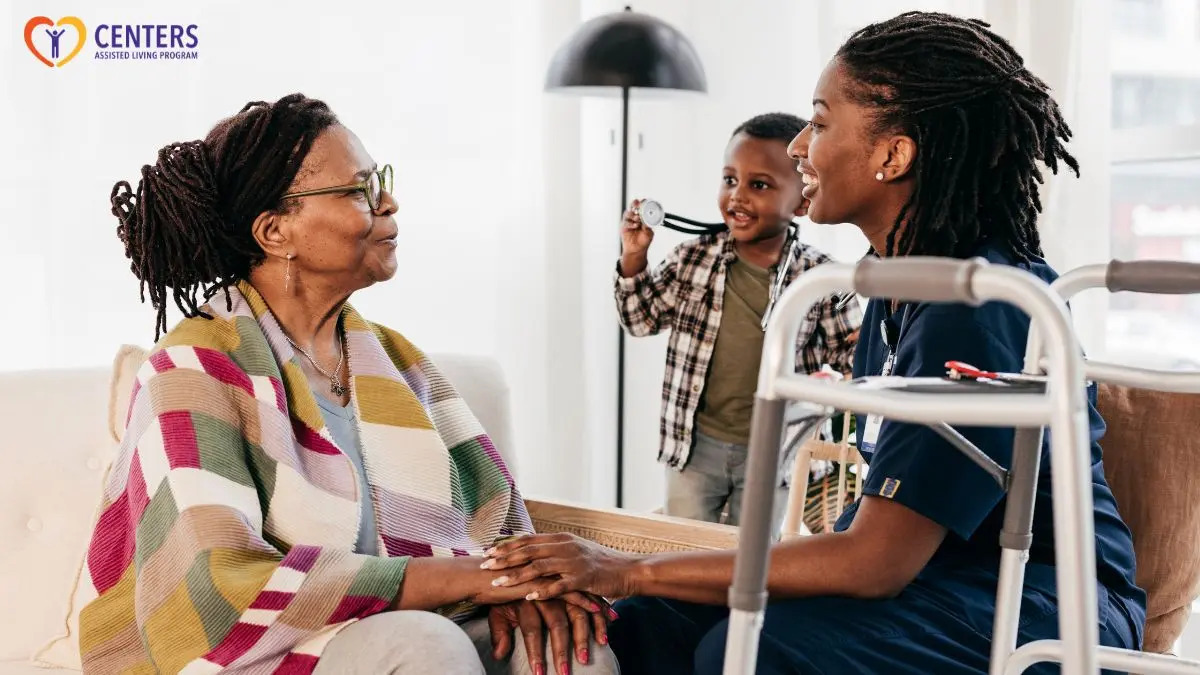
A building can meet safety codes without feeling like home. Inclusive senior living in New York pays attention to the sensory details that tell residents, “You belong here.” That includes:
- Dining that reflects many cultures: Menus that rotate through familiar dishes from different regions, while still meeting nutrition needs.
- Decor and shared spaces: Art, books, and design elements that reflect the community’s mix of cultures instead of a single style.
- Programming across traditions: Events that acknowledge a range of holidays and spiritual practices without forcing anyone to participate.
- Diverse staff teams: Caregivers whose languages, accents, and backgrounds mirror the residents they serve.
Studies on immigrant older adults show that aging in environments aligned with their values and community ties supports emotional well-being and a sense of safety.
Multicultural senior communities are careful not to separate residents by culture. The goal is to weave many identities into the day so no one feels like the “only one” at the table. Residents who see their culture honored tend to participate more in activities, form closer friendships, and express more satisfaction with their living situation, which in turn supports better daily functioning.
It Supports Better Health Outcomes Across the Board
Cultural inclusion is also a health strategy. Work by Yale researcher Becca Levy shows that older adults who hold positive views of aging live about 7.5 years longer on average than those who internalize negative stereotypes, even after accounting for health and socioeconomic factors.
Culturally inclusive senior care supports those positive views. When residents feel respected, understood, and able to express their beliefs, they are more likely to:
- Participate in preventive care and regular check-ups
- Report pain or mood changes earlier
- Follow medication and therapy plans that have been explained in culturally meaningful ways
Studies in gerontology also show that Black assisted living residents who do move into care often end up in smaller communities with lower ratings, which raises concerns about quality and equity.
By committing to cultural competence in elderly care and centering cultural identity in every policy, communities can improve clinical outcomes while also reducing long-standing disparities.
 FAQs on Culture and Aging
How is aging viewed in different cultures?
Aging is viewed differently across cultures, with some societies linking older age to wisdom and honor, while others emphasize decline and loss of independence. Collectivist cultures often value elders as family leaders and moral guides. Individualistic cultures more often associate aging with autonomy and institutional care.
What cultures value the elderly?
Cultures that value the elderly include Japanese, Chinese, many South Asian, Middle Eastern, and Indigenous communities across Africa and the Americas. These societies often link aging with wisdom, moral authority, and family leadership. Traditions such as filial piety reinforce respect, responsibility for caregiving, and multigenerational living.
How does culture affect aging?
Culture affects aging by shaping beliefs about independence, family roles, and emotional expression in later life. Societies with positive views of aging show better mental health, cognitive function, and longevity among older adults. Cultural norms also influence caregiving expectations, social engagement, and comfort in assisted living environments.
Choose Culturally Inclusive Care for Your Loved One
Many families juggle questions when a parent needs more support, and cultural identity often ranks high on the list. The ideas above show how honoring culture can improve emotional well-being, strengthen relationships with care teams, and support safer health outcomes over time.
Centers Assisted Living understands that seniors are more than their medical charts. The community serves diverse neighborhoods across New York, with programs, dining, and activities designed to reflect the people who live there.
If you are exploring options for a parent or relative, reach out to schedule a visit. Our team can walk you through services, listen to your family’s traditions and priorities, and help you explore whether our multicultural assisted living environment feels like the right next home.