Senior activities that combine exercise, clubs, and safe outings with volunteering create balance for older adults. Calendars help prevent isolation, libraries and parks host senior citizen events, RSVP and elderly home volunteer roles add purpose, and weekly routines mix on-site and community events.
Feeling cut off from friends or wondering where to find more connection? Many older adults ask this when looking for community events for seniors that bring both activity and purpose.
Up ahead, you’ll see how local programs, volunteer roles, and weekly anchors can make it easier to stay active while feeling part of something bigger.
Assisted Living Activities and Social Programs
You know how easy it is for seniors to let the week slip by without enough movement or social time? A daily calendar helps turn good plans into real action. National health guidance recommends 150 minutes of moderate activity each week, plus balance and strength work.
A simple schedule might include:
- Chair strength training
- Balance or walking group
- Light aerobics session
Adding these keeps activity levels balanced and prevents overdoing one type of exercise. Group time also lowers risks linked to isolation, including dementia and depression.
Join Crafts, Music, Fitness, and Book Club
Different clubs train different parts of the brain and body.
- Crafts sharpen hands and focus
- Music lifts mood and eases stress
- Book clubs keep memory and language sharp
- Fitness supports strength, balance, and daily mobility
Mixing creative and active sessions keeps energy steady across the week. Many community events for seniors also link social time with these activities, while opportunities like becoming an elderly home volunteer add purpose beyond the calendar.
Community Events for Seniors: Find Local Clubs and Classes
But let’s be honest, sometimes the best way to stay active is to join what’s already happening in your town.
Spot Senior Citizen Events at Libraries and Parks
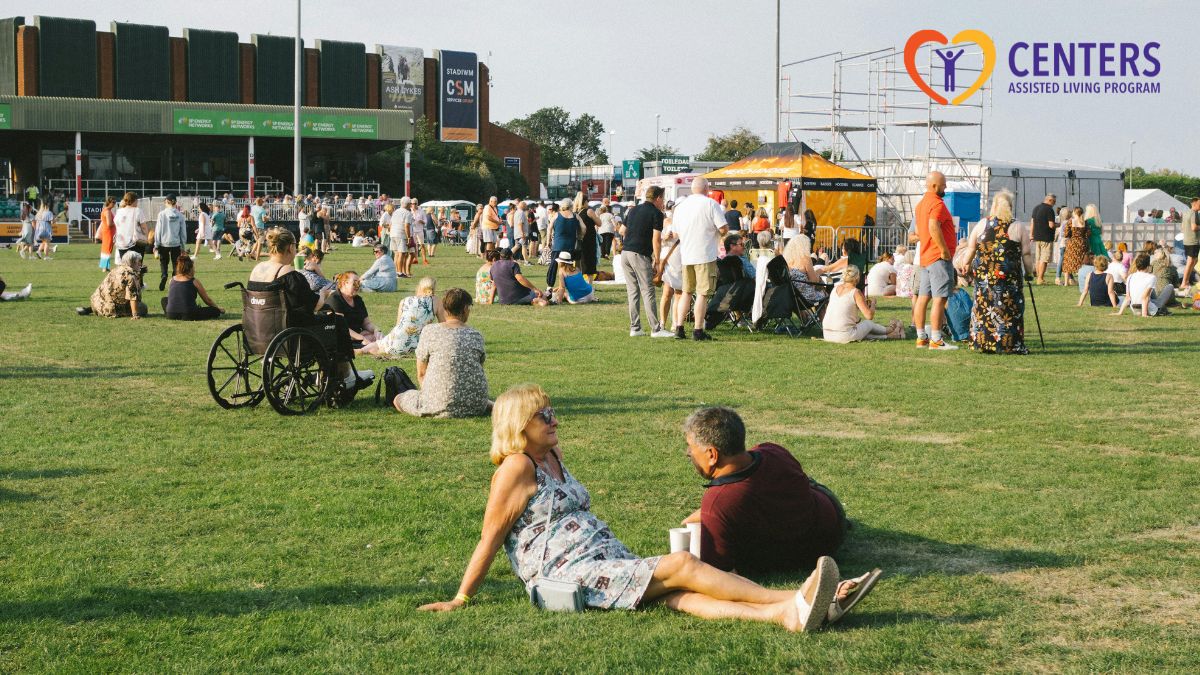
Public libraries and parks post calendars filled with low-cost options. You might notice programs like:
- Tai Chi for Arthritis
- EnhanceFitness
- Walk With Ease
- Tech help and lecture series
These activities build strength, balance, and confidence in daily routines. Checking weekly calendars is an easy way to spot senior citizen events that fit both health and social goals.
Save Free Museum Days and Farmers Markets
Arts and food programs add culture without draining the budget. Many U.S. museums participate in Museums for All, offering free or reduced admission for benefit card holders. Farmers markets also promote healthy eating through the Senior Farmers’ Market Nutrition Program, which supports adults 60+ with seasonal produce vouchers.
A simple routine is planning a market walk in the morning, then enjoying fresh fruit over lunch. These small outings often count as the most meaningful community events for seniors.
 Volunteer Opportunities for Seniors Near You
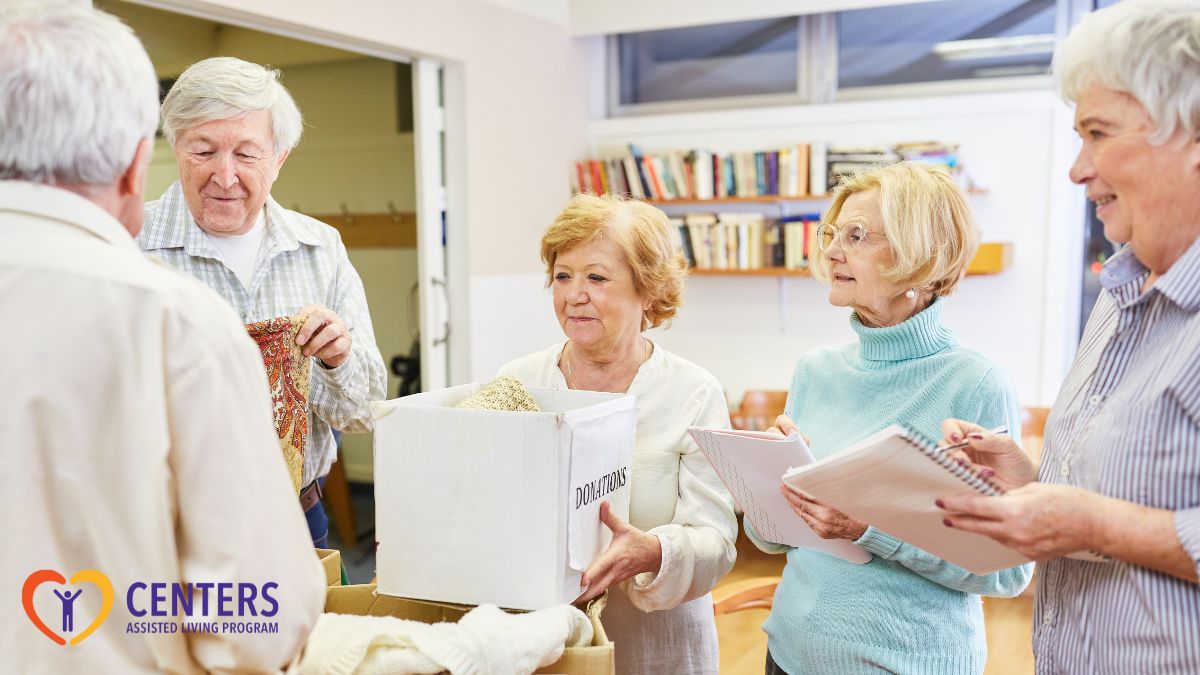
Staying active doesn’t always mean exercise or classes. Giving back through volunteer work often adds the same benefits for health and connection while strengthening community ties.
Apply Through AmeriCorps Seniors RSVP
RSVP makes it easier for adults 55+ to match with local nonprofits. Common roles include:
- Tutoring and mentoring
- Food pantry support
- Disaster preparedness projects
These positions usually come with training and accident coverage, and some even offer mileage reimbursement. Building a steady weekly routine through volunteering has been linked with improved health and stronger social ties, making it one of the most rewarding senior citizen events you can commit to.
Elderly Home Volunteer Roles via Local Partners
Not every role requires travel across town. Local partners often list at-home or nearby opportunities such as:
- Meal delivery routes with wellness checks
- Friendly-caller programs
- Food bank sorting and packing
The Eldercare Locator is a simple tool for finding your Area Agency on Aging and asking about openings. Matching energy with the right activity today, then adding hours later, keeps volunteering sustainable. Many of these options also blend well with other community events for seniors, creating a balance of service and social connection.
Safer Outings for Seniors: Access, Costs, Transport
Checking access, timing, and travel details beforehand helps make each trip safer and more enjoyable. Start with the facility’s accessibility page.
U.S. law requires ramps or lifts for public spaces, and ADA paratransit must run the same days and hours as local bus routes at no more than double the fare. Before joining an activity, ask about:
- Seating availability
- Beginner or chair-based options
- Class pace and intensity
Programs tied to community events for seniors often label sessions clearly so participants can choose what works best.
Moreover, small steps can make travel smoother:
- Review medication timing and meal needs
- Carry water and plan shade breaks in warm weather
- Choose cooler hours for outdoor programs
If rides are a concern, look into local paratransit or mobility-manager support through your transit agency or Area Agency on Aging. Even simple trips to volunteer roles, like serving as an elderly home volunteer, feel easier when transport and health routines are built in.
 Weekly Routine That Mixes On-Site and Neighborhood Events
Mixing on-site activities with nearby outings helps balance movement, learning, and social time. Think of two steady activities as the week’s anchors. For example:
- Chair strength class on Monday
- Balance or Tai Chi session on Thursday
These set points make it easier to add short walks or light activity on other days. Treating these classes like appointments keeps the schedule steady and supports long-term function.
Plus, adding one “out-and-about” slot creates variety. It might be:
- A library talk or museum visit
- A park class
- A regular volunteer shift
A steady role, like serving as an elderly home volunteer, often blends social contact with purpose. Rotating other senior citizen events in the same weekly slot keeps life fresh while keeping planning simple.
Frequently Asked Questions
How do you engage seniors in the community?
Engage seniors in the community by aligning activities with interests, ensuring accessibility, and balancing regular routines with flexible options. Schedule two recurring activities and one variable event, include social time, and promote safe movement. Use libraries, parks, and aging agencies to connect with local opportunities.
What activities are suitable for the elderly near me?
Suitable activities for the elderly near you include walking groups, chair yoga, Tai Chi for Arthritis, and structured fitness like EnhanceFitness or Walk With Ease. Libraries offer book clubs, tech help, and lectures. Choose “older adult” or “beginner” sessions and target 150 minutes of weekly activity.
Where do the elderly people socialize?
Elderly people socialize at senior centers, parks, libraries, and volunteer programs. Senior centers host meals, classes, and outings for over a million people daily. Parks provide clubs and trips, libraries offer groups and talks, and volunteer hubs like RSVP build peer bonds while serving communities.
Stay Connected Through Local Opportunities
Finding the right balance of movement, social time, and service makes life healthier and more enjoyable. From structured classes to neighborhood outings and even volunteer shifts, options like community events for seniors in New York make it easier to stay engaged and connected.
At Centers Assisted Living, we support seniors in building routines that combine activity, safety, and purpose. If you’re ready to take the next step, contact us today.