
Key Points:
- Senior transportation in assisted living ensures residents can attend medical appointments, run errands, and stay socially active through scheduled rides, accessible vehicles, and trained staff.
- This support helps maintain health, safety, and independence, while reducing missed visits, family stress, and isolation.
- As a result, it makes daily life smoother and more connected for older adults.
Losing the ability to drive can quietly disrupt daily life. Simple tasks like getting to a doctor, picking up groceries, or visiting friends start to depend on whoever is free to drive that day. When rides are hard to arrange, older adults miss care, cancel plans, spend more time alone, and families start weighing independent vs assisted living options.
Recent research shows that around 10% to 15% of people miss medical appointments because travel is difficult, and older adults are hit hardest by these gaps. Senior transportation in assisted living is designed to remove that strain. Instead of juggling rides, residents have planned trips, trained drivers, and vehicles that work with mobility needs.
 Why Transportation Support Becomes Essential in Assisted Living
Driving often becomes harder with age. Vision changes, slower reaction times, pain, or medications can all make driving less safe or more exhausting. At the same time, life still includes regular health visits, banking, food shopping, and chances to stay socially active.
Transportation is also part of what clinicians call instrumental activities of daily living. These are tasks like managing money, shopping, and getting from place to place that show how independently someone can live.
Many older adults already feel the strain of limited options. Among Medicare beneficiaries who rarely leave home, only about 27% report driving at all in the past month. In the same group, more than 30% say travel problems keep them from participating in social or community activities, and over half cite health issues that make outings difficult.
Senior transportation within assisted living addresses those gaps by treating rides as a predictable service rather than a constant favor. Instead of asking family for every trip, residents know what is available, when rides run, and what kind of help they can expect on the way.
How Senior Transportation Services Work Day to Day
In many communities, assisted living transport services follow a simple pattern: assistance with scheduling transportation, planned routes, sign-up systems, and vehicles that match residents’ needs. Most programs are built around three main pieces:
- Regular routes. Many communities offer scheduled trips on certain days of the week. Typical stops include:
- Primary care and specialist clinics
- Grocery stores and pharmacies
- Banks and post offices
- Local parks, senior centers, or restaurants
- On-request or sign-up rides. Not every appointment fits a standard route. For that reason, there is often:
- A ride book or sign-up sheet at the front desk
- A simple process to add upcoming medical visits
- Space for visits to lawyers, hair salons, or family gatherings
- Vehicles chosen for older adults. Communities tend to use a mix of small buses, vans, and cars that work well with mobility support. Features may include:
- Low steps or ramps for easier boarding
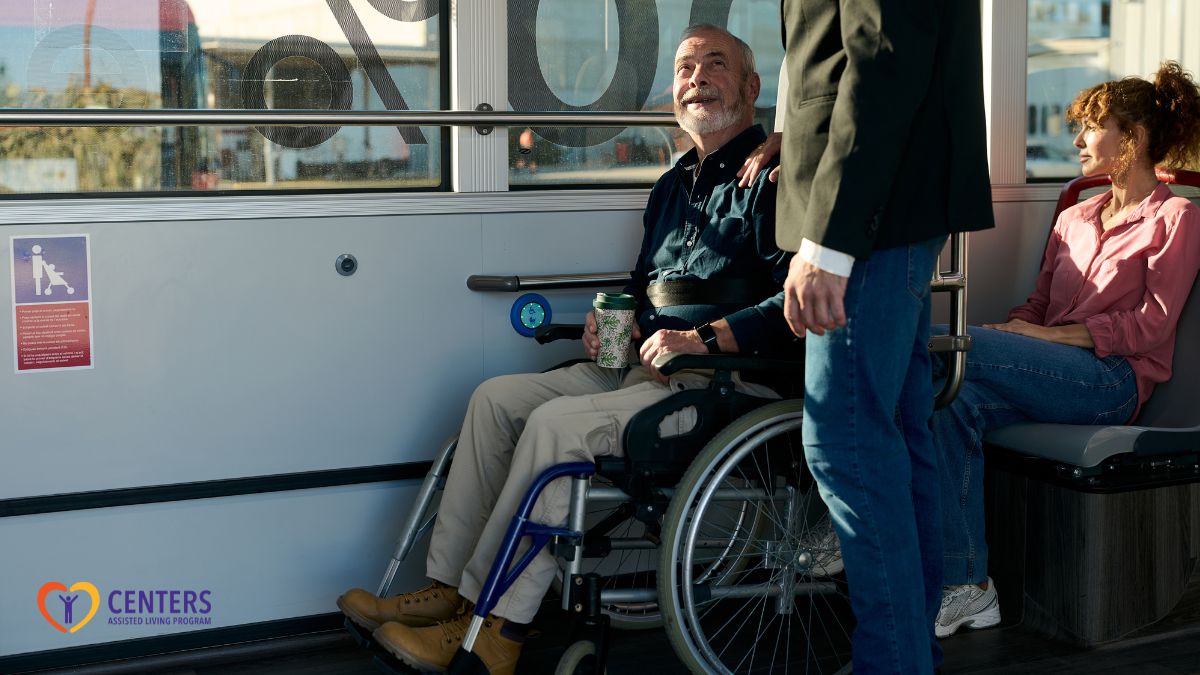
- Space and securement systems for walkers and wheelchairs
- Grab bars and clear handholds to steady movement
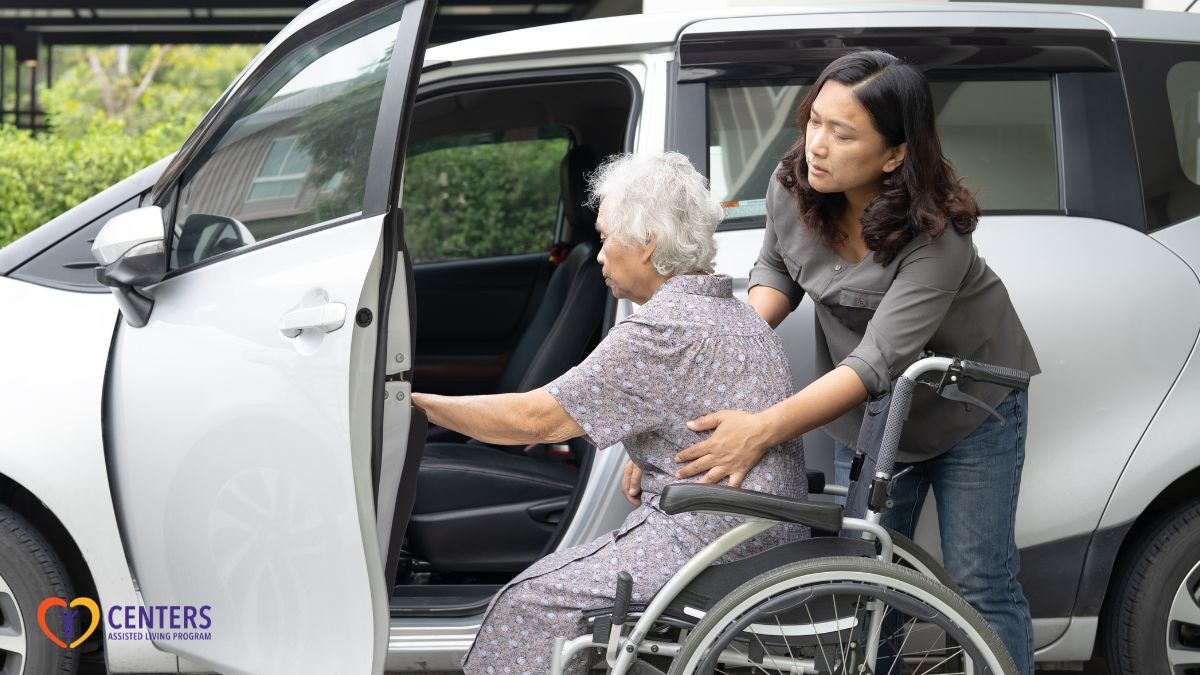
Drivers usually do more than sit behind the wheel. Many provide elderly ride assistance by walking residents from their apartment door to the vehicle, helping with seatbelts, and carrying light bags.
How Rides Keep Health Appointments on Track
Health visits are often the first need families consider when planning senior transportation. Missed appointments can lead to unmanaged conditions, more emergency visits, and longer hospital stays. When rides are built into assisted living routines, it becomes much easier to keep medical plans on schedule and maintain good proximity to healthcare services.
A typical health visit might follow a simple flow:
- Schedule the visit and the ride together
Staff add the clinic appointment to a central calendar and book a ride at the same time. That reduces last-minute scrambling and helps drivers plan their day. - Prepare for the trip
Residents or staff gather insurance cards, medication lists, and referral papers. Walkers, canes, or wheelchairs are checked so there are no surprises at the curb. - Provide door-to-door support
On the day of the visit, a driver or aide walks with the resident, helps them board, and positions mobility aids safely. For many older adults, getting in and out of a vehicle is the riskiest part, so this support is critical. - Arrange the return and any pharmacy stop
The resident is picked up after the visit and may stop at a pharmacy on the way back if needed. That makes it easier to start new treatments right away and keep medication management on track.
Safety is a big part of this picture. Unintentional injuries, including falls and car crashes, are among the leading causes of death for adults 65 and older. When communities put trained drivers and planned routines in place for health visits, they lower travel risks while keeping needed care within reach.
 How Assisted Living Rides Support Errands, Safety, and Social Life
Life in assisted living involves more than doctor visits. Residents still want groceries they like, haircuts that feel familiar, time at worship, and chances to go out for fun. When communities build strong mobility solutions seniors can use regularly, everyday life feels fuller, and independence in assisted living feels better protected.
Errands can be grouped into simple, predictable routes, such as:
- Weekly shopping trips for food, toiletries, and household items
- Pharmacy runs for prescription pick-up or drop-off
- Bank and post office visits to handle bills and mail
- Personal care stops for haircuts, nail care, or clothing
Each ride reduces the need for families to take time off work, rearrange schedules, or worry about whether a loved one can get what they need. For residents, these trips maintain habits they have had for years, which is especially helpful for those who thrive on routine.
Safety fits into this picture as well. Entering and exiting vehicles is a daily activity that becomes riskier as people age.
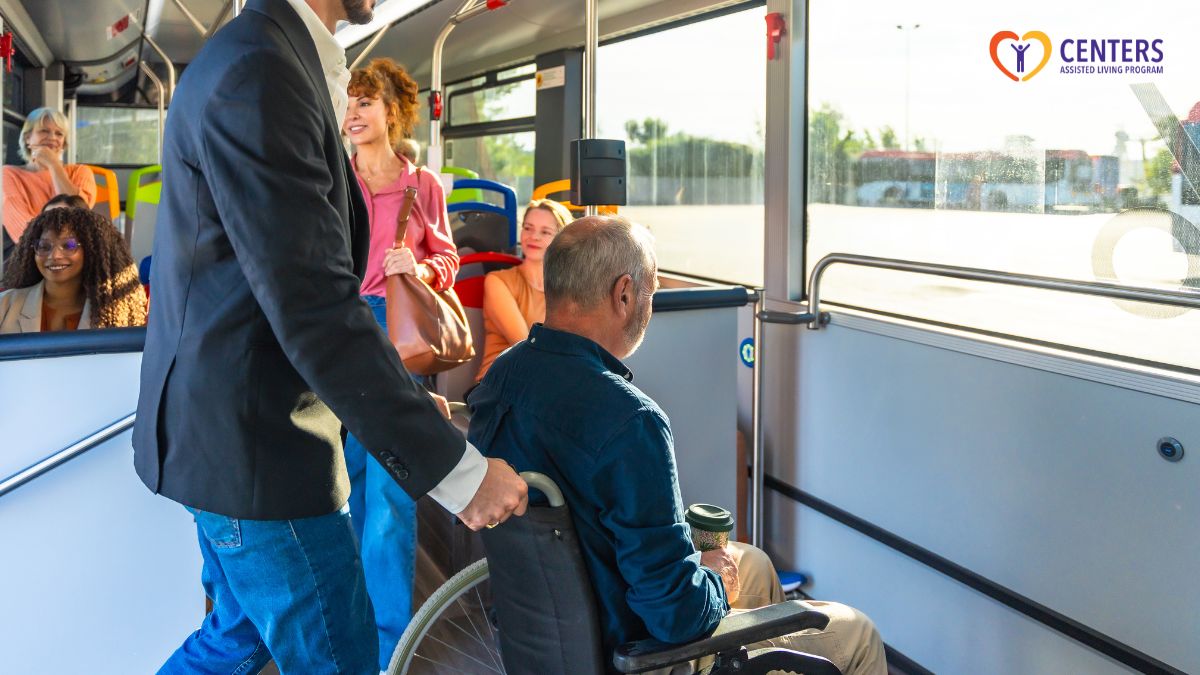
Additionally, social life depends on getting out the door. Group rides to religious services, senior centers, parks, or lunch outings give residents more chances to talk, laugh, and feel part of local life.
 How Families Can Build a Smooth Transportation Plan
Even when a community offers good assisted living transport services, families still play a key role in making rides match real life. A bit of planning up front can prevent missed trips and confusion later on.
A practical approach often includes four steps:
- Ask detailed questions during tours. Before a move, ask:
- Which destinations are included as part of regular rides
- How far do buses or vans travel from the community
- How often are shopping trips and social outings scheduled
- Share health and mobility needs clearly. Let the team know about walkers, wheelchairs, oxygen, or hearing and vision needs. Also mention any time-sensitive care, such as dialysis, chemotherapy, or physical therapy, with strict schedules.
- Map out a weekly ride routine. A simple plan helps staff schedule drivers and gives residents something predictable to look forward to. Sit down with a calendar and block off:
- Standing medical appointments
- Preferred shopping days
- Regular worship services or clubs
- Create backup plans for unusual days. There will always be early-morning tests, specialist visits in another town, or last-minute changes. Families can ask how the community handles those situations, especially in assisted living for couples where one partner may need extra rides, and decide when relatives will step in with additional support.
Good planning also supports road safety. One large review of older adults found that those who had experienced a fall were about 40% more likely to be involved in a subsequent motor vehicle crash than those who had not fallen.
When a community handles more of the driving and families know when to add support, everyone can make careful choices that lower risk.
 FAQs About Senior Transportation in Assisted Living
Do assisted living communities usually charge extra for rides?
Assisted living communities often charge extra for rides beyond basic local trips. Some include medical rides in the monthly rate, while others bill per trip, per mile, or by distance. Families should request written details about included transportation, extra charges, and booking limits.
Can residents bring walkers, wheelchairs, or scooters on community vehicles?
Residents can usually bring walkers, wheelchairs, or scooters on community vehicles, but limits may apply based on size or weight. Many vehicles have lifts or ramps and secure seating for mobility aids. Families should ask about equipment compatibility and staff assistance before rides are scheduled.
What happens if a resident needs transportation outside regular hours?
If a resident needs transportation outside regular hours, some assisted living communities partner with paratransit or taxi services, while others rely on families for off-hours rides. Daytime trips are typically covered. Asking about after-hours options during intake helps ensure a clear plan is in place.
Connect Daily Life Through Reliable Rides
Health appointments, errands, and social outings all depend on safe and predictable travel. When senior transportation is planned well, older adults do not have to choose between staying safe and staying engaged. Senior transportation in assisted living in New York can be a natural part of daily routines rather than a constant source of worry or last-minute phone calls.
At Centers Assisted Living, we design ride support to match real schedules, mobility needs, and family realities so residents can keep living the kind of days that feel familiar and full. If you are ready to see how steady transportation could support your loved one’s health and independence, get in touch to talk through options and next steps.