
Key points:
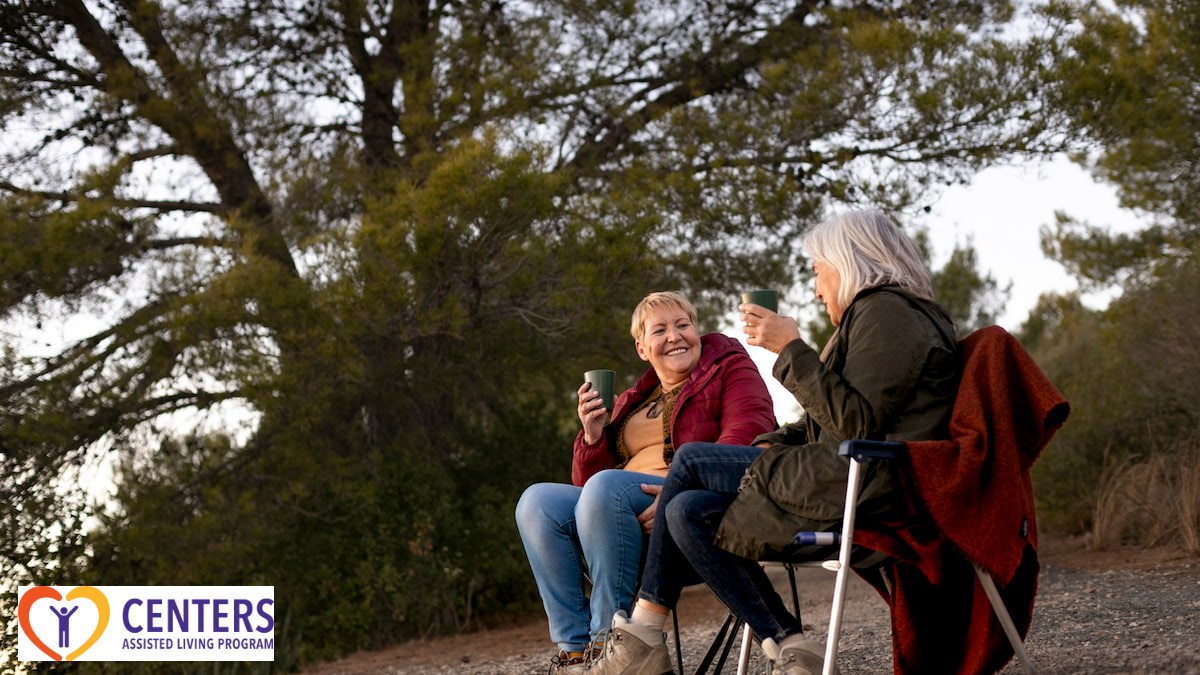
- Spending time outside improves seniors’ heart health, balance, and vitamin D levels.
- Nature-based activity supports mental sharpness, memory, and reduced anxiety.
- Group outdoor routines in care settings enhance connection, purpose, and quality of life.
Many seniors become less active simply because their environment no longer supports safe outdoor time. Uneven sidewalks, lack of company, or fear of falling often limit movement. Over time, these barriers affect strength, mood, and overall health.
Assisted living communities use structured outdoor programs to restore confidence and encourage gentle physical activity. When families understand how these activities support health, it becomes easier to choose a setting that promotes well-rounded well-being.
The Physical Health Advantages of Outdoor Time
Strengthening Cardiovascular and Muscular Health
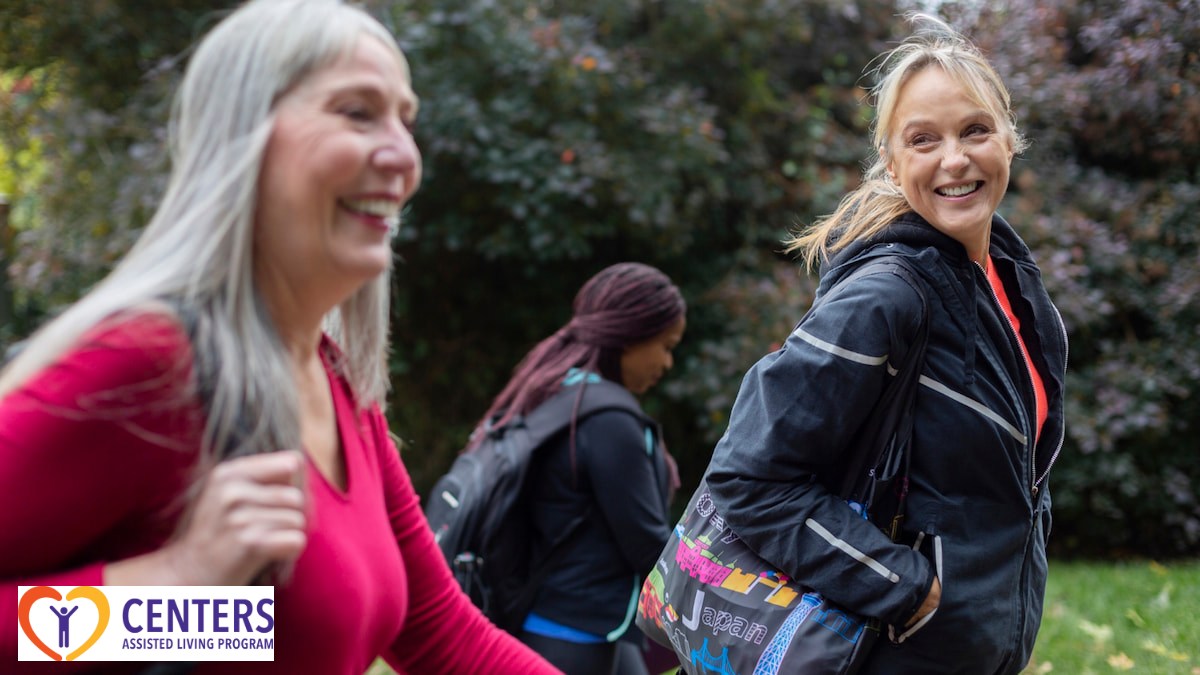
Gentle physical activities in outdoor environments, walking, gardening or chair exercises, help improve circulation and heart health. These movements promote cardiovascular endurance while putting less stress on joints than vigorous indoor exercise.
Walking on natural surfaces (like grass or paved paths) also improves coordination and balance by challenging the body in ways that flat indoors often cannot. The uneven terrain helps maintain postural stability, reducing fall risk.
Boosting Bone Health and Immunity through Vitamin D
Time in the sun helps seniors synthesize vitamin D, which is essential for bone density and immune function. Low vitamin D is common in older adults who spend too much time inside, increasing their risk for fractures, inflammation, and chronic illness.
Reducing Healthcare Costs Through Active Aging
Evidence suggests that older adults who engage regularly in outdoor activities incur lower medical expenditures. These activities encourage better eating habits, improved mood, and stronger daily functioning, which collectively reduce costs associated with chronic disease management and hospitalization.
Mental and Cognitive Benefits of Nature-Based Engagement
Improving Mood, Reducing Stress, and Anxiety
Nature has a calming effect: exposure to green spaces lowers cortisol (the stress hormone), helping to reduce anxiety and promote relaxation. For seniors, even sitting quietly in a garden or walking among trees can lift their spirits and reduce tension.
Sunlight also stimulates serotonin, a mood-boosting neurotransmitter. That connection helps explain why being outdoors can regulate mood more naturally than many indoor settings.
Supporting Cognitive Function and Memory
Being in nature involves sensory richness: the sounds of birds, the feel of a breeze, the smell of plants. These experiences stimulate the brain and promote memory, attention, and creativity.
Research shows that structured outdoor interventions, like guided walking, hiking, or adventure therapy, support older adults’ physical strength, balance, and cognitive functioning, and help them age more successfully. When residents engage in gardening or bird watching, they challenge their executive function, problem-solving, and sensory attention.
Better Sleep Through Natural Light
Natural light helps regulate circadian rhythms (our internal sleep-wake cycles). Exposure to daylight during the day supports better nighttime sleep, which is particularly helpful for older adults experiencing sleep disturbances. Quality sleep strengthens memory, mood, and immune resilience.
Social Connection, Meaning, and Purpose
Building Community Through Shared Outdoor Routines
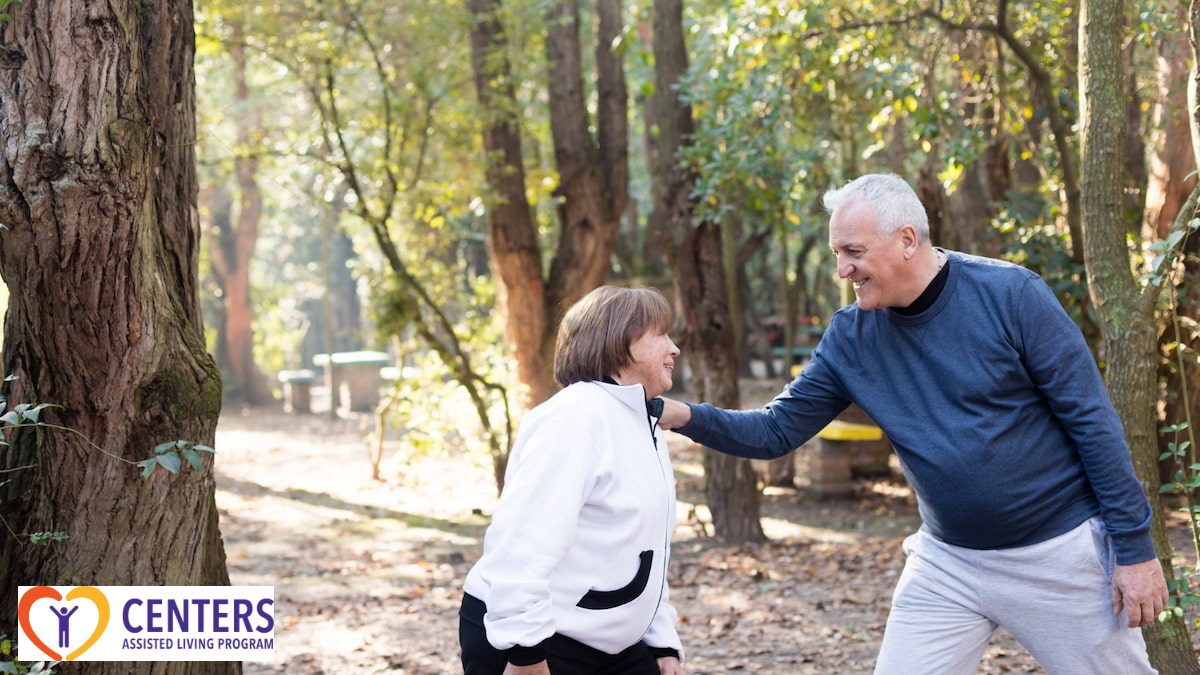
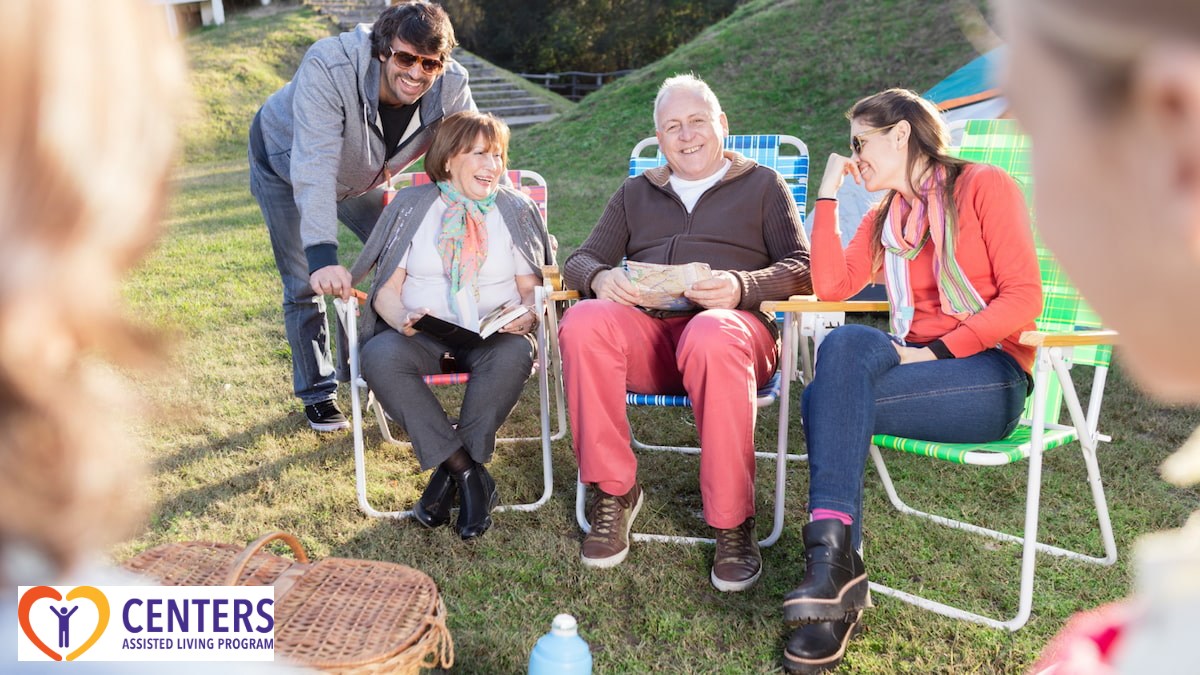
Group walks, gardening clubs, outdoor fitness classes and patio chats are common in assisted living communities. These activities encourage interaction, reduce isolation, and help build friendships. Seniors who participate in nature-based small-group activities report a greater sense of belonging and shared purpose.
Meaning Through Horticultural Activities
Gardening or tending to raised planters gives residents a role and task they can measure and nurture. These activities engage fine motor skills and attention and also promote self-esteem and a sense of ownership.
Community gardens also bring together residents, family members, and staff in shared projects, reinforcing social bonds and reminding seniors that they are active contributors, not passive recipients of care.
Adventure, Engagement, and Self-Efficacy
Outdoor-based interventions like low‑impact adventure therapy (e.g. hiking, kayaking, nature treks) support successful aging by helping older adults maintain physical ability, build self-confidence, and stay socially engaged. These structured programs can be implemented in assisted living settings to offer both challenge and support in a safe way.
Designing Safe, Effective Outdoor Programming in Assisted Living
Creating Welcoming & Therapeutic Outdoor Spaces
To maximize health benefits, outdoor areas in senior living communities should be thoughtfully designed. Therapeutic gardens, landscaped with plants, walking paths, seating, and raised beds, address physical, psychological and spiritual needs.
Incorporating elements of biophilic design (natural textures, water features, plants) can reduce stress, improve well-being and stimulate the senses.
Tailoring Activities to Ability and Preferences
Not all seniors can or want to hike; safe, inclusive outdoor programming needs variety. Some suggestions:
- Gentle walking groups or trails around the facility
- Raised-bed gardening or container planting
- Chair yoga or tai chi on patios
- Birdwatching or nature journaling
- Outdoor games or low-intensity fitness
Providing different options ensures engagement across mobility levels.
Supervision, Support, and Safety
Staff should be trained to supervise outdoor activities, especially when residents have mobility challenges or cognitive issues. Paths should be well maintained, shade and seating provided, and hydration encouraged. Scheduling regular outdoor time, ideally daily or several times a week, helps build routine and ensures consistent benefits.
Integrating Outdoor Time With Life Enrichment
Make outdoor activities part of a broader life enrichment plan. Combine nature walks with storytelling, memory games, or art. Gardening clubs can invite family and volunteers for intergenerational engagement. Outdoor events like picnics, music, or theatrical performances can bring structure and joy to life outside.
Measuring Impact: Health Outcomes & ROI
Monitoring Physical Health Gains
Track indicators like:
- Balance and fall rates
- Blood pressure and heart health
- Vitamin D levels or bone-related biomarkers
- Decrease in pain medication usage (if applicable)
Evaluating Emotional and Cognitive Benefits
Use surveys or staff observations to assess:
- Mood, anxiety, depression symptoms
- Engagement levels in outdoor programs
- Cognitive function (memory, attention) over time
Economic & Quality-of-Life Returns
Outdoor programming can lead to reduced healthcare costs. According to research, older adults active outdoors show lower medical spending due to better mental health, eating habits, and daily living abilities.
Moreover, the improved quality of life, through social bonds, purpose, and wellness, offers value that may be hard to measure but deeply felt by both residents and their families.
Overcoming Common Barriers
Weather and Access Challenges
Hot, cold, or rainy weather can limit outdoor access. To address that:
- Use shaded structures or pergolas
- Provide covered walkways or patios
- Have indoor/outdoor hybrid spaces where residents can sit by windows but feel connected to nature
Physical Limitations
For those with limited mobility:
- Raised garden beds avoid bending
- Wheelchair-friendly pathways
- Virtual nature experiences (e.g., nature-based VR) offer mood and cognitive benefits when real-life access is tough.
Staffing and Resource Constraints
Some communities may lack staff or budget to run frequent outdoor programs. In such cases:
- Train volunteers or family members to support outdoor activities
- Partner with local organizations (parks, schools, gardening clubs)
- Start small: even regular group walks or a weekly patio meeting can make a big difference
Frequently Asked Questions
What types of outdoor activities are safe in assisted living settings?
Gentle walking, raised-bed gardening, chair yoga, birdwatching, and group nature outings are well suited to different mobility and cognitive levels.
How much outdoor time do seniors need to see health benefits?
Even short, regular sessions, about 15–30 minutes a few times a week—can provide significant gains in mood, vitamin D, and physical function.
Can outdoor programs reduce healthcare costs in senior living?
Yes, research shows that regular outdoor activity correlates with lower medical expenditures by improving mental health, daily functioning, and eating habits.
Give Your Loved One Healthier Days Through Guided Outdoor Living
Outdoor activity is more than recreation. For older adults, it supports balance, mood, circulation, and overall vitality. Many seniors want fresh air and movement but lack safe pathways, consistent supervision, or structured routines at home. Assisted living in New York provides access to secure outdoor spaces and guided programs that strengthen physical and emotional well-being.
At Centers Assisted Living, residents enjoy nature walks, garden visits, and low-impact movement supported by staff trained to encourage safe participation. These daily moments outdoors help create healthier, more energized routines.
If your loved one has become less active or spends most days indoors, contact us. We can show how outdoor programming improves health, what activities are available, and how supported movement reduces long-term risks while improving daily enjoyment.